This week's news cycle from across Telangana offers a sobering reminder that the state's gleaming IT corridors and startup ecosystem exist within a broader social fabric — one that is fraying in some places even as it grows richer in others. Three stories in particular deserve the attention of Hyderabad's professional community: the continuing wave of farmer suicides in Adilabad, the cultural reckoning underway in Telugu cinema, and the Hyderabad Zoo's planned expansion.
The Adilabad Crisis: A Policy Failure With Real Human Cost
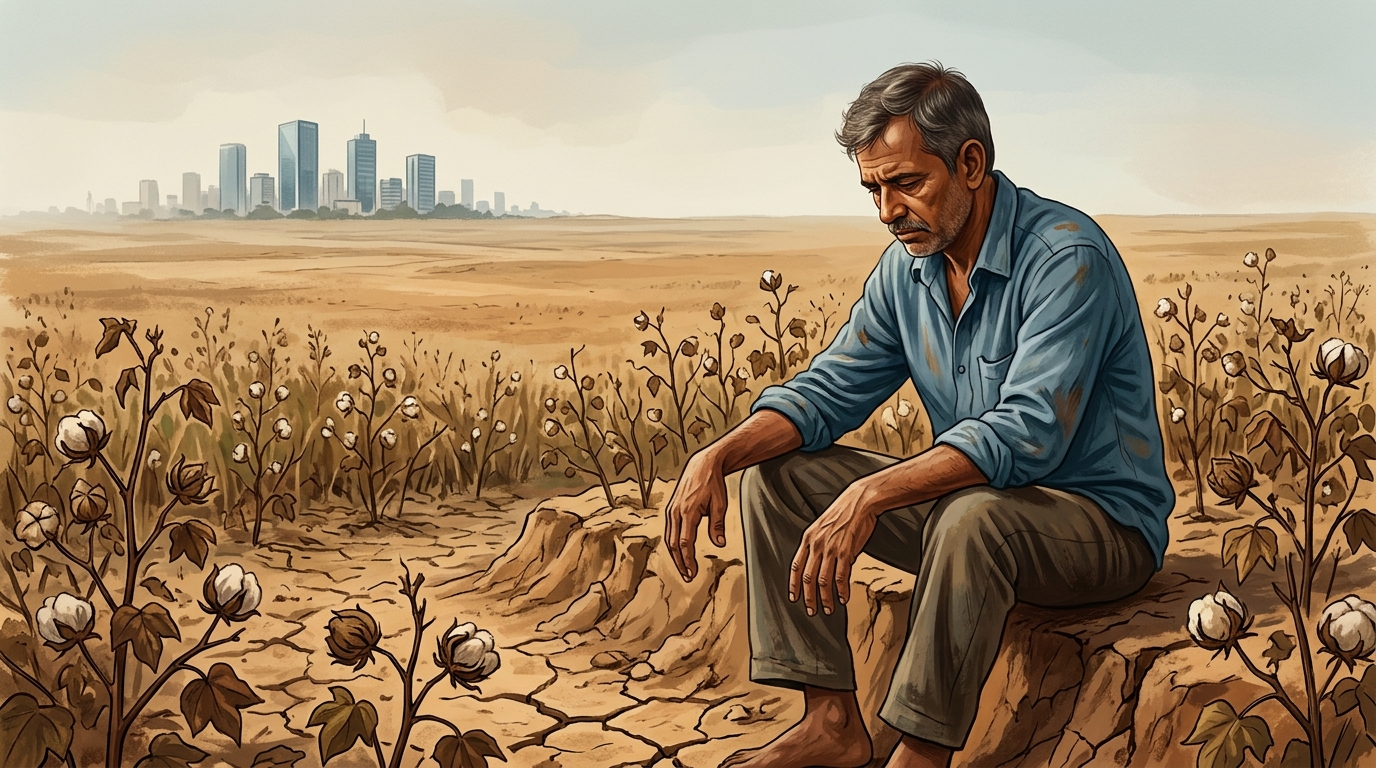
A 52-year-old farmer from Guda village in Adilabad district has become the sixth person in 20 days to die by suicide, reportedly driven to desperation by poor cotton yields. These are not isolated tragedies. They are data points in a structural failure — one that implicates inadequate crop insurance implementation, the volatility of cotton prices, and the chronic underinvestment in agricultural extension services in Telangana's northern districts.
For Hyderabad's IT and business professionals, this may feel geographically distant. It should not. Telangana's state budget is deeply shaped by the political pressure that agrarian distress creates. When farmer welfare schemes expand in response to crisis — as they inevitably must — the fiscal space for urban infrastructure, metro rail expansion, and IT corridor development can narrow. The rural-urban development imbalance also feeds long-term social instability that responsible businesses operating in the region cannot afford to ignore.
More directly, many tech workers in Hyderabad maintain active family connections to agrarian districts like Adilabad, Nizamabad, and Karimnagar. The psychological and financial toll on those families is real and proximate. A state government that invests seriously in agricultural resilience — robust minimum support price enforcement, climate-adaptive crop diversification, and accessible mental health infrastructure in rural areas — is also investing in the stability of its urban workforce.
The current situation demands more than condolence statements. It demands a credible, publicly accountable policy response from the Revanth Reddy administration.
Tollywood's Telangana Moment: Culture as Economic Signal
For decades, Telugu cinema's power structures were dominated by coastal Andhra sensibilities — in dialect, aesthetics, caste representation, and gender dynamics. A new wave of directors with Telangana roots is challenging that hegemony, bringing the region's distinct vernacular and social realities to the mainstream screen. This is not merely a cultural footnote; it is an economic and sociological indicator worth watching.
Creative industries have a well-documented multiplier effect on urban economies. As Hyderabad cements its position as the production hub for Telugu cinema — with studio infrastructure, post-production facilities, and talent ecosystems growing steadily — a more authentically Telangana voice in Tollywood strengthens the city's cultural brand. That brand, in turn, makes Hyderabad more attractive to the creative-class professionals, designers, game developers, and content technologists that the next phase of its digital economy will require.
The critique of entrenched sexism and caste blindness in mainstream cinema is also a signal to employers. A workforce that is culturally sophisticated enough to demand better representation on screen is the same workforce demanding equitable pay structures, inclusive hiring practices, and harassment-free workplaces. Progressive employers should be paying attention.
Hyderabad Zoo Expansion: Small Story, Larger Urban Quality-of-Life Question
Nehru Zoological Park's planned addition of kangaroos, wallabies, ring-tailed lemurs, and cassowaries from Vantara is, on its surface, a pleasant piece of civic news. But it also speaks to something more substantive: the question of public green and recreational infrastructure in a city that is expanding rapidly but often without adequate investment in shared public spaces.
For working professionals — particularly those with families — the quality of public amenities directly affects quality of life and, consequently, talent retention. Cities that neglect their parks, zoos, libraries, and cultural institutions lose the informal texture that makes urban life livable. Hyderabad has historically punched above its weight in this regard, and investments in the zoo's collection and facilities are worth encouraging as part of a broader commitment to public urban infrastructure.
What This Means for You
- Budget watchers: Monitor how the state government responds to the Adilabad crisis — emergency agricultural spending could affect capital allocations for IT infrastructure and metro expansion in the near term.
- HR and talent leaders: The cultural shifts visible in Tollywood reflect workforce expectations. Inclusive, equitable workplace cultures are no longer optional in a talent market where identity and dignity matter to recruits.
- Founders and investors: Agrarian distress in Telangana's hinterland is a systemic risk, not a distant rural problem. Supply chain vulnerabilities, consumer demand suppression, and social instability all carry downstream effects for urban business ecosystems.
- Families and individuals: The Hyderabad Zoo expansion is a reminder to advocate for public recreational infrastructure — it is a legitimate urban need, not a luxury, and professionals should support civic budgets that prioritise it.