Hyderabad's week has been a study in contrasts — civic investments that signal a city growing in cultural ambition, alongside law enforcement wins and resource pressures that underscore the strain of rapid urbanisation. For the city's IT workers, entrepreneurs, and business community, each of these developments carries practical implications worth unpacking.
Nehru Zoological Park Gets a Global Upgrade
The Nehru Zoological Park (NZP) is preparing to welcome zebras, kangaroos, and lemurs — species that have rarely, if ever, been part of Hyderabad's public wildlife experience. For a city that has invested heavily in its identity as a cosmopolitan, knowledge-economy hub, this is more than a feel-good story. Public recreational infrastructure — parks, cultural venues, green spaces — directly affects quality of life for the workforce that tech companies recruit and retain.
Hyderabad competes with Bengaluru, Pune, and Chennai for skilled talent. Livability metrics matter. A richer, more engaging NZP strengthens the case for professionals choosing to build their lives here rather than elsewhere. The expansion also opens modest but real opportunities for edtech, tourism-tech, and experiential retail startups operating around the leisure economy.
EAGLE Force Busts Inter-State Drug Network Linked to Hyderabad
Telangana's EAGLE Force uncovered a suspected clandestine synthetic drug laboratory in Maharashtra, following a trail that originated in Hyderabad in August. The operation dismantled what appears to be a cross-border synthetic drug supply chain — a category of crime that has been expanding in urban India alongside the growth of gig economy nightlife and densely populated tech corridors.
While law enforcement deserves credit for the bust, the case is also a reminder that Hyderabad's rapid, under-regulated urban growth creates vulnerabilities. Areas like Kondapur, Madhapur, and Gachibowli — dense with young, salaried professionals — are not immune to the downstream social costs of synthetic drug proliferation. Workplace wellness programmes and honest HR conversations about substance use remain underprioritised in most tech firms.
Government Offices Told to Cut Electricity Use — And Corporates Should Take Note
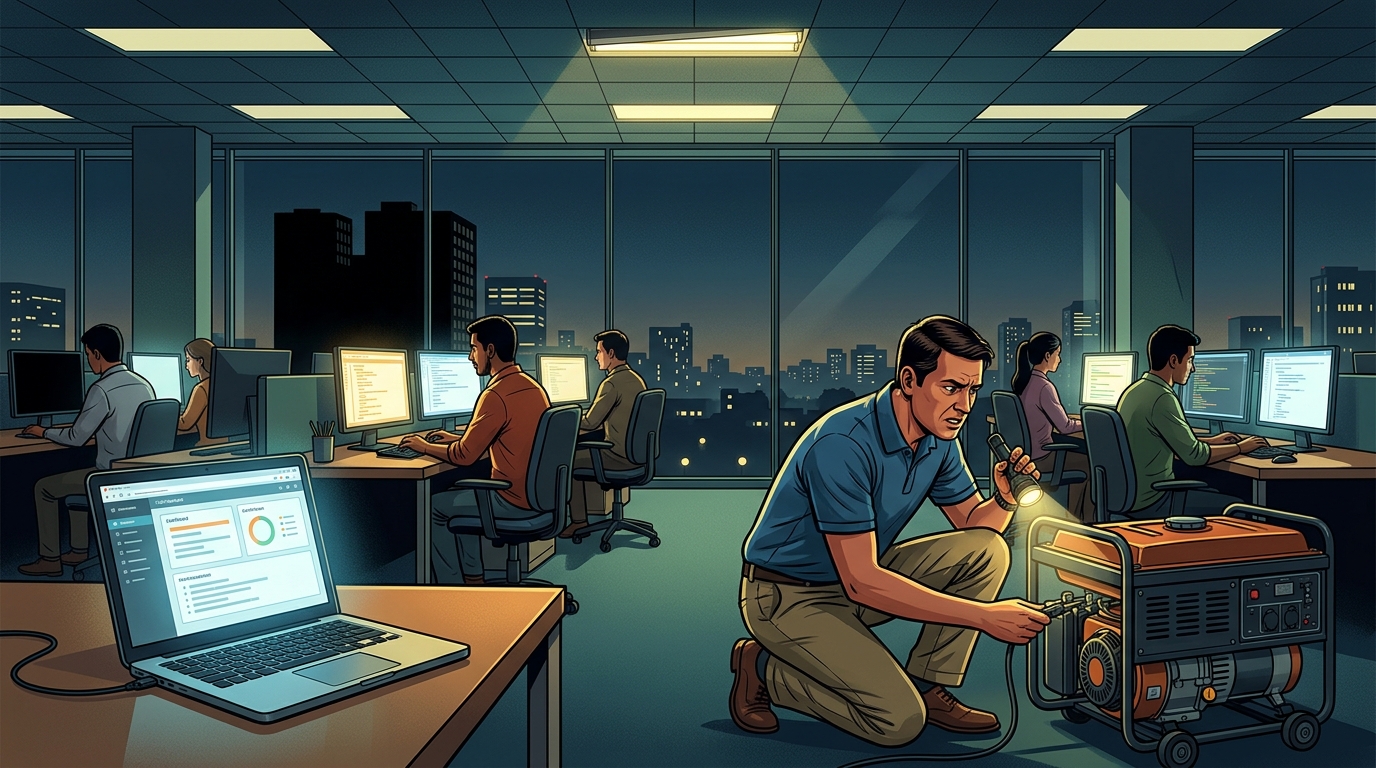
The Telangana government has directed all government offices to conserve electricity, citing rising demand and reduced generation linked to El Niño-driven rainfall deficits. While the directive targets public offices, the subtext is harder to ignore: the state's power infrastructure is under stress.
For IT parks, co-working spaces, and data centres in Hitec City and Gachibowli — all of which are energy-intensive by design — this signals a period of potential supply volatility. Businesses that have not yet invested in solar installations, backup systems, or energy audits may find themselves exposed. Startups running lean operations on shared infrastructure are particularly vulnerable to unplanned outages that disrupt client deliverables and SLA commitments.
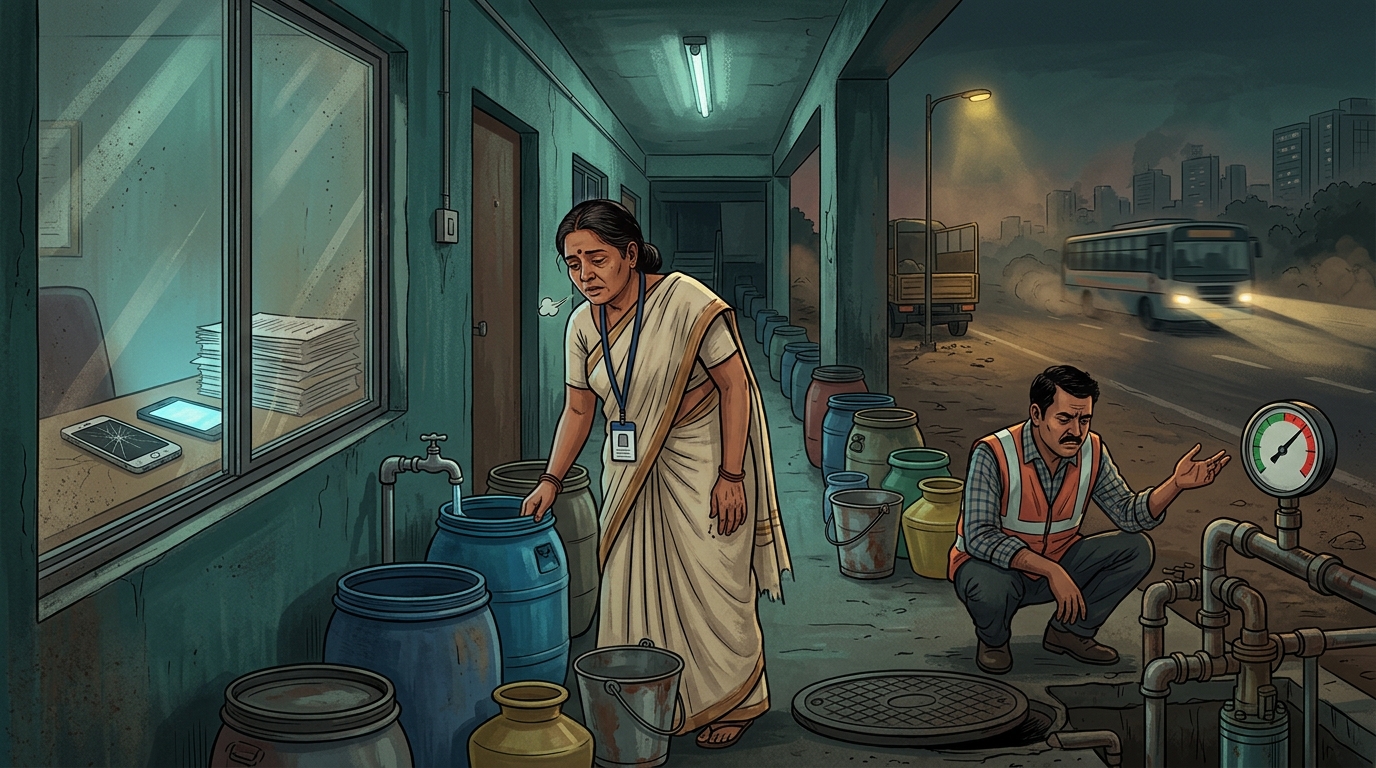
The El Niño signal also connects to a broader conversation about water security. Agriculture Minister Tummala Nageswara Rao's call to prioritise drinking water conservation is relevant to the urban professional too — Hyderabad's IT districts have historically faced water supply irregularities, and a deficient monsoon year can exacerbate these tensions significantly.
A Tragic Reminder: Civic Safety Gaps Persist
A car plunging into a temple tank at Maheshwaram — with the driver escaping unhurt — may read as a minor incident, but it is symptomatic of a wider problem: road infrastructure around water bodies, temple tanks, and urban lakes remains dangerously inadequate across Hyderabad's expanding peripheral zones. As the city's IT footprint pushes southward toward areas like Maheshwaram and Shamshabad, these civic gaps follow commuters into new geographies. GHMC and HMDA must be held to account for ensuring that road safety standards keep pace with urban sprawl.
What This Means for You
- Talent and lifestyle: The NZP expansion is a small but meaningful investment in Hyderabad's livability — something professionals should advocate for more of, from city planners and employers alike.
- Energy planning: If your workplace or startup hasn't conducted an energy audit or explored solar options, now is a practical moment to do so, ahead of potential supply pressures this winter.
- Workplace wellbeing: The drug network bust should prompt HR leaders in tech firms to revisit substance use policies and mental health support — not punitively, but with genuine care for employee welfare.
- Commuter safety: Professionals working in or relocating to Hyderabad's southern corridors should factor road and civic infrastructure quality into their decisions, and engage with resident welfare associations to push for improvements.