Good morning, Hyderabad. This Monday brings a mix of weather caution, infrastructure news, and a reminder that road safety remains an unresolved crisis on the region's highways. Here is what matters for the city's working professionals as the week begins.
Brace for Evening Thunderstorms
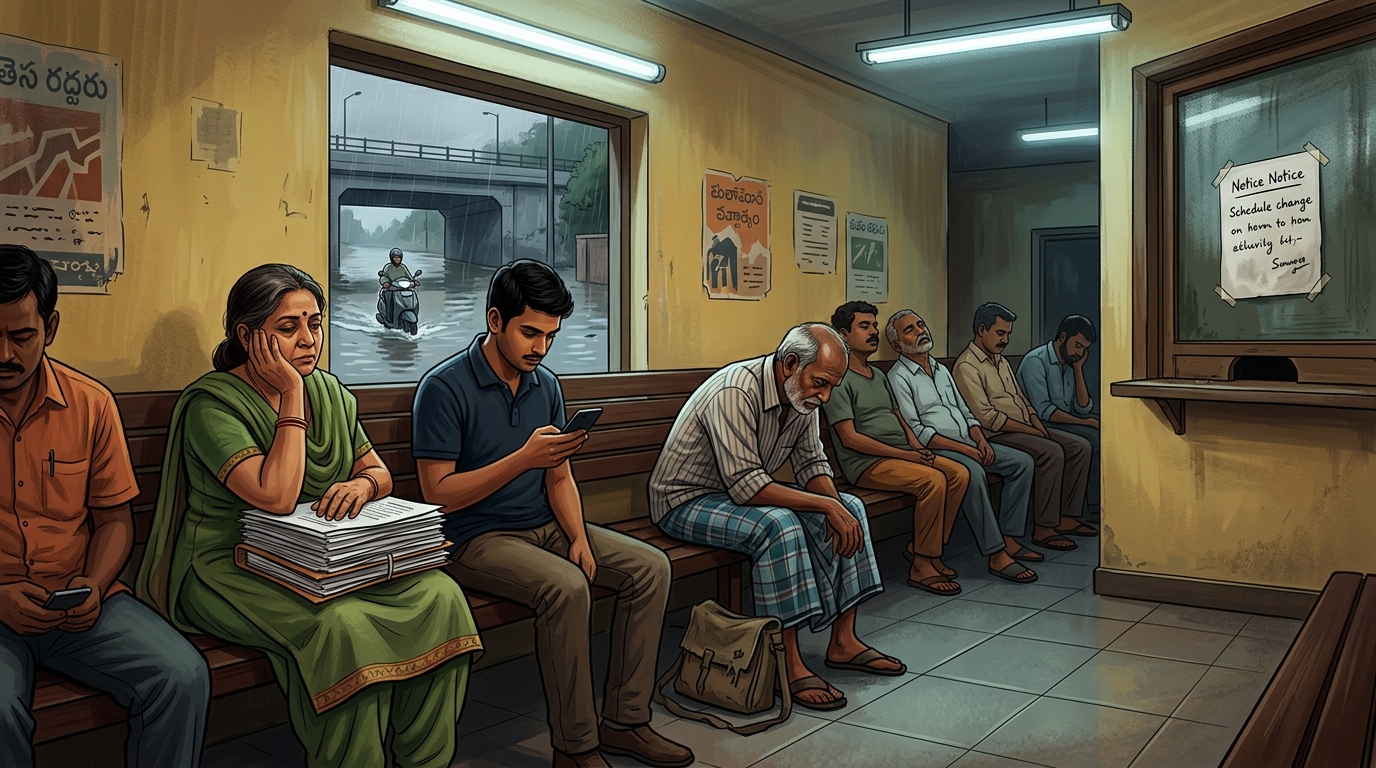
The India Meteorological Department has forecast a generally cloudy sky over Hyderabad on Monday, September 21, with light to moderate rain and thundershowers expected to intensify towards evening and night. Gusty winds of 30 to 40 kilometres per hour are likely to accompany the spells, which could significantly impact the evening commute — particularly for the tens of thousands of IT and corporate employees who travel between Hitec City, Gachibowli, Madhapur, and the broader city.
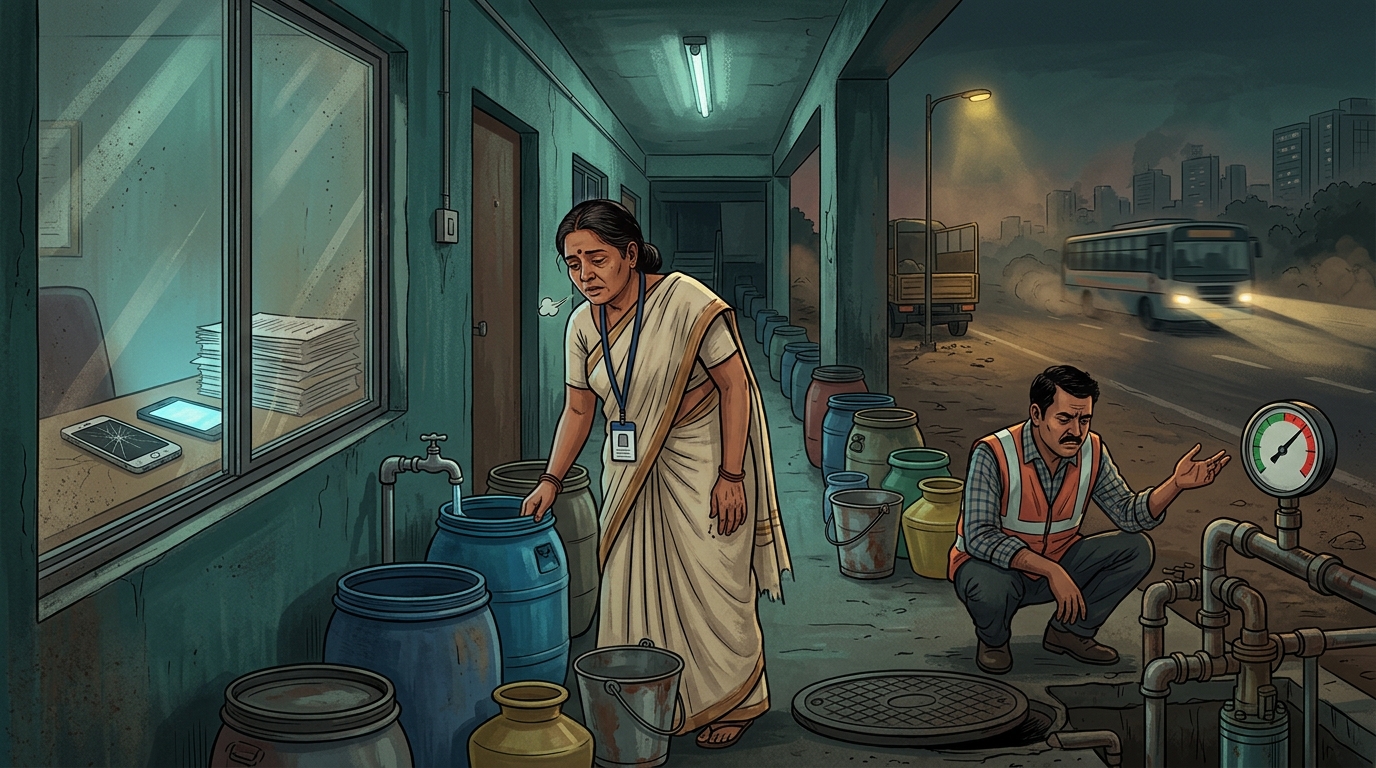
For professionals who depend on cab aggregators or ride the TSRTC network, delays and fare surges are a realistic possibility. Those working late shifts at tech firms or BPO operations should plan accordingly. The city's drainage infrastructure — long criticised by civic advocates as inadequate for the volume of rainfall Hyderabad now receives — remains a point of concern. GHMC has been repeatedly urged to accelerate stormwater drain upgrades in Gachibowli and Kondapur corridors, where waterlogging has historically paralysed traffic during even moderate showers.
IT Expansion on the Horizon — But Where?
A headline-grabbing development this week involves an impressive ₹60-crore IT tower on the outskirts of Adilabad, near National Highway 44, which is reportedly set to open by the end of September. Three IT services companies have already submitted applications to establish units in the building, signalling growing state interest in decentralising Telangana's tech economy beyond its Hyderabad core.
This is worth watching carefully. The concentration of IT employment in a small geography — essentially a corridor from Begumpet to Gachibowli — has historically driven up real estate costs, worsened commute times, and left infrastructure in that zone chronically overburdened. Genuine decentralisation, if supported by reliable power supply, broadband connectivity, and transport links, could meaningfully improve quality of life for workers who currently endure two-to-three-hour daily commutes.
However, scepticism is warranted. Past announcements of IT parks in Tier-2 Telangana towns have not always translated into sustained employment or adequate worker amenities. The state government must ensure that social infrastructure — housing, schools, healthcare — accompanies any such expansion, so that relocated workers are not simply trading one set of hardships for another.
Road Safety: A Crisis That Demands Accountability
A fatal car crash in Nalgonda, where police suspect driver drowsiness as a contributing factor, is a sobering reminder of a danger that is not remote from Hyderabad's professional class. Many IT and corporate employees regularly drive long distances — to weekend getaways, to client sites, or to family homes in districts across Telangana and Andhra Pradesh. Sleep-deprived driving, particularly after long work shifts or overnight travel, is a documented occupational hazard in high-pressure work environments.
This incident, while not within GHMC limits, should prompt Hyderabad's employer community to revisit policies around working hours, on-call duties, and safe commute norms. A genuinely worker-friendly workplace culture recognises that fatigue is not a personal failing — it is often a structural consequence of overwork.
What This Means for You
- Commute planning: Leave early or work late to avoid the evening storm window. If you rely on cabs, book in advance — surge pricing is likely between 6 PM and 9 PM.
- IT professionals outside Hyderabad: The Adilabad IT tower is an early signal of decentralisation; watch for job postings and leasing opportunities if you have been priced out of Hyderabad's real estate market.
- Employers and HR teams: The Nalgonda crash is a call to action. Review fatigue management policies, especially for staff who drive long distances or work rotating night shifts.
- Civic engagement: Persistent waterlogging during rains is not inevitable — it is a governance failure. Engage with your ward councillor or GHMC grievance channels to keep pressure on drainage infrastructure upgrades.
Stay safe, stay informed, and have a productive week.