Two stories from this week's Telangana headlines deserve serious attention from anyone whose livelihood is tied to this state's economy and its institutions — and for Hyderabad's professional community, that means nearly everyone reading this.
The Fiscal Warning Sign You Cannot Ignore
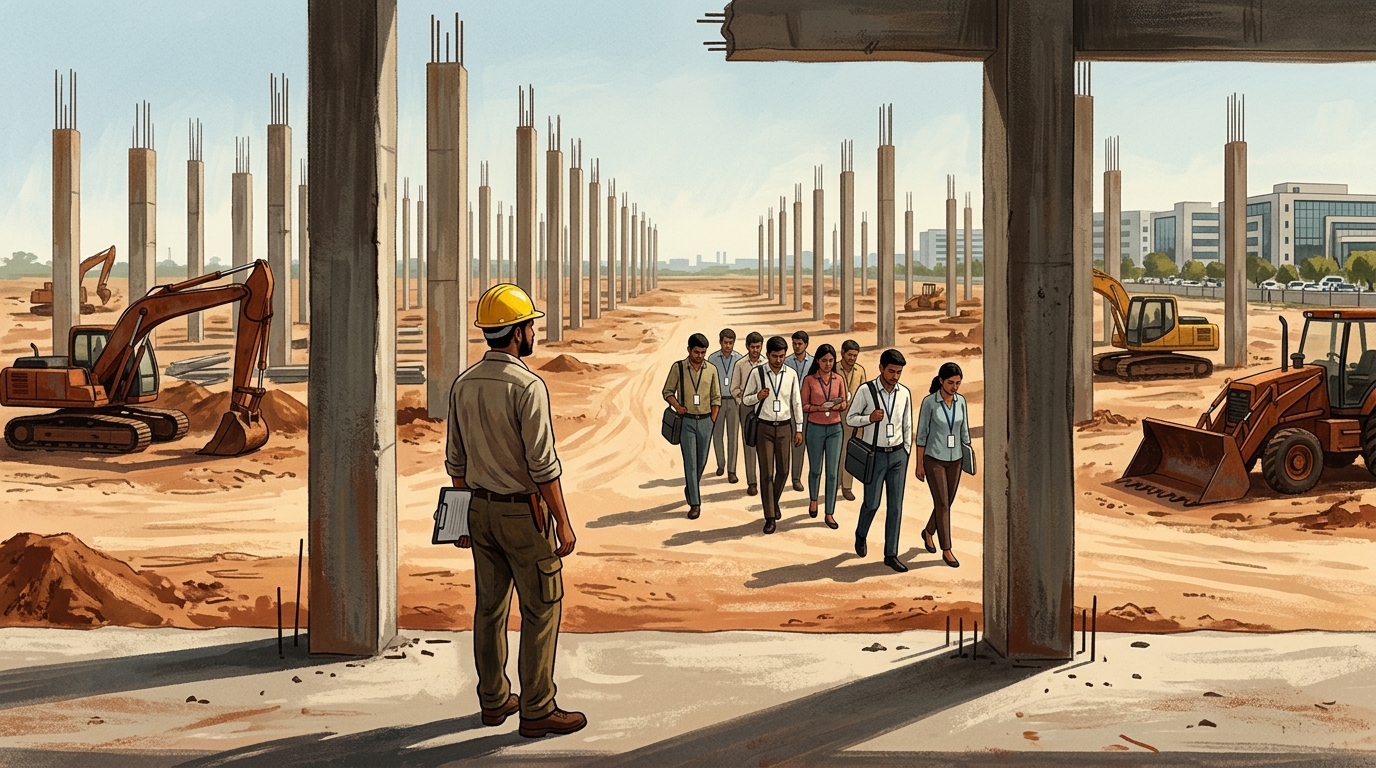
An editorial in Telangana Today has put into stark language what budget analysts and infrastructure watchers have been murmuring for months: Telangana's revenue growth is slowing, and a significant reason is the dead weight of incomplete irrigation and industrial projects that have absorbed substantial public capital without yet generating returns.
This is not a peripheral concern for IT professionals or startup founders. State fiscal health directly determines the quality and continuity of the infrastructure, incentives, and public services that underpin Hyderabad's business environment. When state revenues are constrained, the first casualties are often the subsidies, land-use facilitations, and R&D grants that the IT and startup ecosystem depends on — along with the public transit, power reliability, and road infrastructure that keep a city functional for a working population.
The core problem, as the analysis notes, is that sunk investments — money already spent — cannot be recovered unless those projects are completed and made productive. Stalled irrigation projects depress rural incomes and agricultural output, reducing the tax base from non-urban Telangana. Incomplete industrial corridors sit as opportunity costs, land and capital that could be generating employment and GST revenues but are not. The compounding effect of these gaps is a state that is fiscally less flexible than its ambitions require.
For entrepreneurs seeking state support, for IT companies negotiating infrastructure-linked incentives, and for employees whose quality of life depends on functional public services, this slowdown is a structural risk — not a temporary blip.
Campus Suicides: A Crisis That Reaches the Workforce
The second story that demands serious reflection is harder to quantify but no less consequential. An editorial has raised the alarm about suicides at India's premier academic institutions, pointing to academic pressure, social isolation, and systemic discrimination as root causes that institutions have been too slow to address.
Hyderabad is home to some of the country's most significant educational institutions — IIT Hyderabad, BITS Pilani Hyderabad, the University of Hyderabad, NALSAR, and dozens of engineering colleges that collectively feed tens of thousands of graduates into the city's IT sector each year. The mental health crisis on Indian campuses is not an abstraction for this city; it is a lived reality in the institutions that produce Hyderabad's next generation of software engineers, data scientists, and product managers.
The editorial is right to name discrimination alongside academic pressure. First-generation students, students from marginalised communities, and those navigating social alienation in elite institutional environments face compounded stressors that institutional counselling, where it even exists, is woefully under-resourced to handle. Companies that recruit from these campuses inherit both the talent and the unaddressed trauma that formal education systems fail to resolve.
A progressive reading of this crisis recognises that the responsibility does not end at the campus gate. Hyderabad's IT employers — particularly larger firms with the resources to do so — have a genuine stake in building workplaces with robust mental health support, reasonable work expectations, and cultures that do not replicate the very hierarchies and pressures that made campus life dangerous for many of their employees.
What This Means for You
- If you work in IT or a corporate role: Telangana's fiscal tightening could affect state-funded infrastructure and services you rely on — from metro expansion to power supply reliability. Watch the state budget cycle closely in the coming months.
- If you are a startup founder or investor: State incentive programmes and land-use policies may face revision under fiscal pressure. Factor this uncertainty into your medium-term planning and engage with industry bodies to advocate for the completion of productive public investments.
- If you manage or hire people: The campus mental health crisis means many of your newest employees arrive carrying significant psychological burdens. Investing in workplace mental health is not a soft benefit — it is a retention and productivity strategy with measurable returns.
- As a citizen and professional: Incomplete public projects are not just a government failure — they represent collective resources that have not yet worked for the people of Telangana. Holding elected representatives accountable for project completion is as legitimate a professional concern as any market indicator.
Telangana's promise as a destination for investment and talent is real. But promises require foundations — fiscal discipline, completed infrastructure, and institutions that treat human wellbeing as a prerequisite for economic growth, not an afterthought to it.