For Hyderabad's busy IT workforce and entrepreneurial community, the week's headlines may appear scattered — a commemorative coin here, a cricket committee there. But read together, they reveal something more textured about how public institutions are engaging (or failing to engage) with the city's growth story.
A Coin With Colour, But Where's the Local Substance?
The Union government's release of a ₹100 coloured commemorative coin marking ten years of the Make in India initiative made headlines this week. It is, symbolically, a milestone — the first government-issued coin in India to feature a coloured design. The initiative itself was, in large part, aimed at transforming cities like Hyderabad into manufacturing and technology hubs, and the city has undeniably benefited from the resulting FDI flows and corporate infrastructure buildout in corridors like Hitec City and Genome Valley.
Yet the commemoration prompts a harder question: a decade in, has Make in India delivered equitably for Hyderabad's broader workforce — not just for large anchor corporations, but for the mid-tier suppliers, gig workers, and small-scale manufacturers in the city's industrial periphery? Commemorative symbolism is easy. Structural investment in local skill ecosystems and fair labour conditions is considerably harder, and considerably more important.
Cricket Infrastructure and the District Development Signal
The Hyderabad Cricket Association's newly constituted District Cricket Infrastructure Development Committee (DCIDC) has been tasked with procuring property and building out cricket infrastructure across districts. While this may read as purely a sports story, it carries meaningful civic implications.
Investment in district-level sports infrastructure — when done transparently and with genuine community access — can be a meaningful public good. For Hyderabad's sprawling outer zones, where IT campuses increasingly sit alongside underserved residential areas, quality public recreational infrastructure matters for employee wellbeing, community cohesion, and long-term urban livability. The key question for the DCIDC will be accountability: will land procurement processes be transparent, and will the resulting facilities be genuinely public-facing or restricted to elite club use?
What Didn't Make the Cut — And Why That Matters
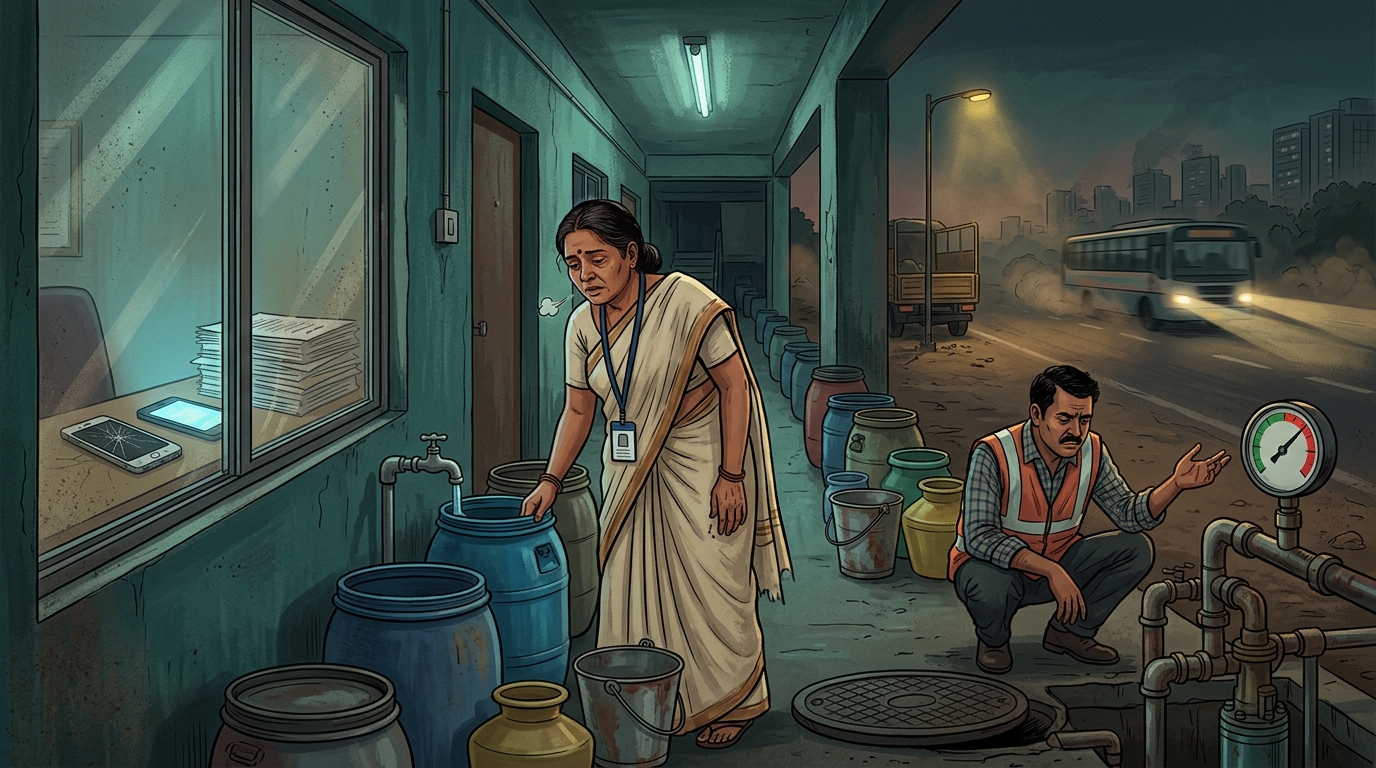
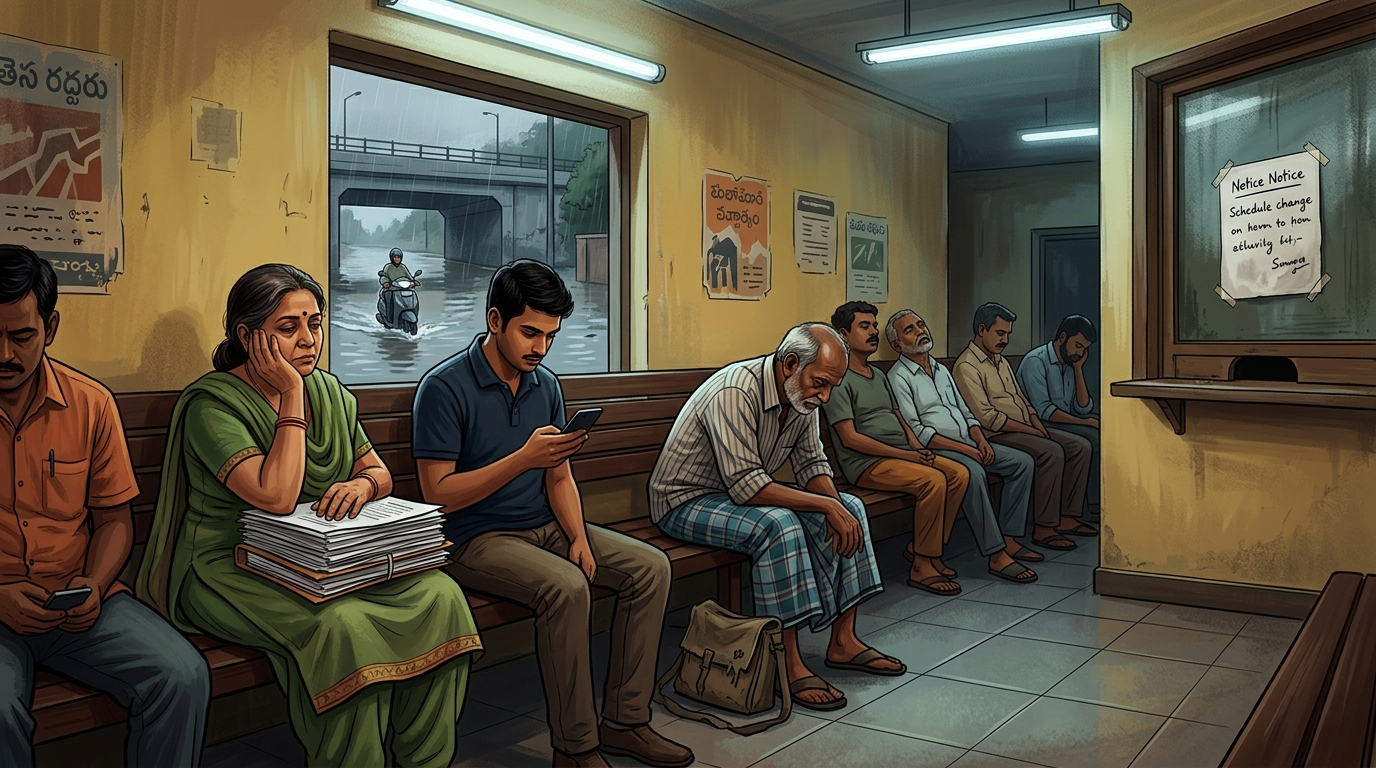
It is worth noting what this week's news cycle did not offer: substantive updates on GHMC's infrastructure maintenance backlog, progress on metro rail expansion, air quality data for Gachibowli and Kondapur, or any reporting on the status of affordable housing initiatives near the city's major employment zones. For professionals commuting daily through some of India's most congested tech corridors, these are the stories that directly shape quality of life — and their consistent absence from prominent coverage is itself a civic signal worth registering.
What This Means for You
- IT professionals and commuters: The absence of meaningful civic infrastructure news this week is a reminder to stay engaged with GHMC and HMDA announcements independently — ward-level decisions on roads, drainage, and zoning often move quietly but affect your daily commute significantly.
- Startup founders and entrepreneurs: The Make in India anniversary is a moment to audit whether local policy support — in procurement preferences, MSME credit access, and regulatory ease — has kept pace with the initiative's ambitions in Hyderabad specifically.
- Community-minded professionals: The HCA's district infrastructure push is one to watch. If your company has CSR mandates or employee engagement programmes, community sports facility partnerships could be a meaningful avenue — provided the HCA's processes prove transparent.
- Everyone: A quieter news week is not always a safe one. Public institutions move most consequentially when attention is elsewhere. Stay subscribed, stay informed.