This week delivered a striking contrast on the world stage: millions paused to look skyward at a rare solar eclipse sweeping across the UK, Spain, and Iceland, while far to the east, grain export terminals along the Black Sea were struck in an escalating exchange of attacks between Russia and Ukraine. These are not unrelated footnotes to distant conflicts and natural spectacles — both carry real consequences for global supply chains, commodity markets, and the operating environment for businesses in cities like Hyderabad.
A Once-in-a-Generation Eclipse Captures Europe
More than 90% of the Sun was obscured across much of the United Kingdom, while Spain and Iceland witnessed the full totality of a solar eclipse described by observers as "surreal" and "otherworldly." Millions gathered in open spaces, parks, and coastlines — an unusual collective pause in a continent often defined by its relentless economic pace.
For Hyderabad's technology sector, this has a subtler but genuine relevance. Several major IT services firms and GCCs (Global Capability Centres) based here maintain large delivery commitments to European clients, particularly in the UK, Spain, and the Nordic countries. Large-scale public events and civic disruptions — even positive ones — can temporarily slow approvals, client reviews, and project sign-offs. Teams working on European timelines should anticipate minor communication lags in the short term. More importantly, the eclipse generated enormous volumes of data from astronomical instruments, weather monitoring satellites, and citizen science applications — a reminder that space-tech and climate-sensing represent a rapidly expanding frontier for software and data engineering talent.
Russia-Ukraine Grain Corridor Crisis Deepens
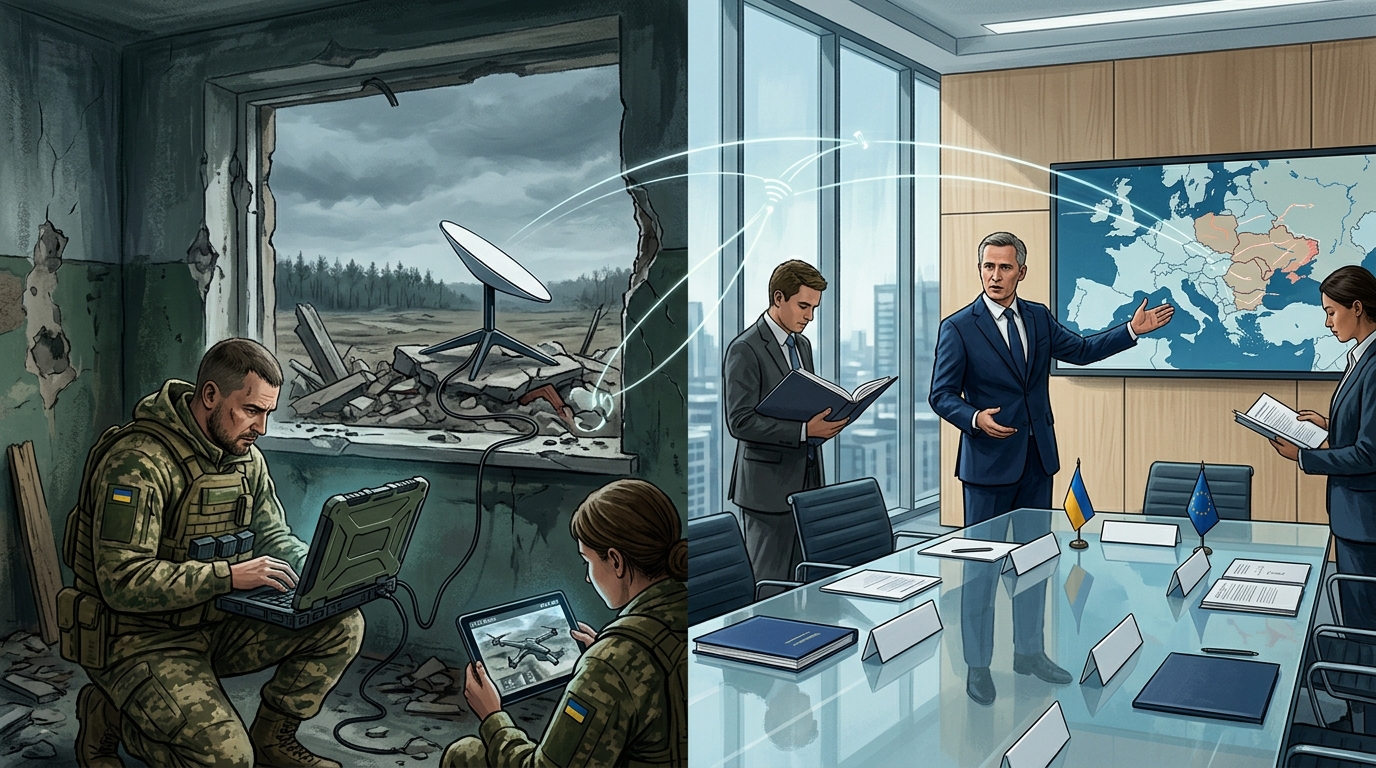
The more structurally significant development this week is the reported strike on major Russian grain export terminals at a Black Sea port, the latest in a pattern of mutual attacks on shipping infrastructure between Russia and Ukraine. Grain exports from both countries — which together account for a substantial share of global wheat and sunflower oil supply — are falling as port facilities, vessels, and logistics networks become targets of war.
This is not merely a humanitarian concern, though it is that too. It is a macroeconomic pressure point with cascading effects:
- Food inflation: Reduced grain supply from the Black Sea region puts upward pressure on global wheat, edible oil, and food commodity prices. For urban salaried workers, including Hyderabad's IT workforce, this translates into a quietly eroding purchasing power — a form of inflation that no salary increment fully compensates for when it compounds over months.
- Logistics and freight costs: Attacks on port infrastructure increase marine insurance premiums and freight risk across global shipping lanes, raising the cost of moving goods worldwide. Indian companies with import-export exposure feel this across sectors.
- Investor sentiment: Prolonged conflict-driven commodity volatility tends to make institutional investors cautious about emerging market allocations, which can dampen funding flows to startups and growth-stage firms in cities like Hyderabad that are increasingly dependent on global venture capital.
- Energy prices: Geopolitical instability in Eastern Europe historically nudges crude oil and natural gas prices upward, with downstream effects on operational costs for data centres and manufacturing facilities.
It is worth stating plainly: the human cost of this conflict — to Ukrainian civilians, Russian conscripts, and food-insecure populations across Africa and Asia — vastly outweighs the economic inconvenience felt in prosperous tech corridors. But for professionals who must plan budgets, negotiate client contracts, and manage household finances, understanding these linkages is not alarmism — it is literacy.
What This Means for You
- If you work in IT services with European clients: Build communication buffers into project timelines when major civic events occur in client geographies. Eclipse or not, this is good delivery hygiene.
- If you are a startup founder fundraising globally: Commodity-driven volatility increases risk aversion among institutional investors. Emphasise defensible unit economics and revenue visibility in your pitches over the next quarter.
- If you manage household or business budgets: Global food and energy price pressures are unlikely to ease quickly given the Black Sea situation. Prudent financial planning should account for persistent inflation in essential categories through at least the remainder of this year.
- If you are in climate tech, agri-tech, or space-tech: Both stories this week — the eclipse's data richness and the fragility of food supply chains — underscore the urgency and commercial opportunity in your sector. The market need is real and growing.
The world does not pause for spectacle for long. The same week that millions looked up in wonder at a darkened sky, the machinery of conflict continued to grind away at the foundations of global food security. For Hyderabad's professionals — wired into global markets, dependent on global clients, and increasingly shaping global technology — staying informed about these developments is not optional. It is part of the job.