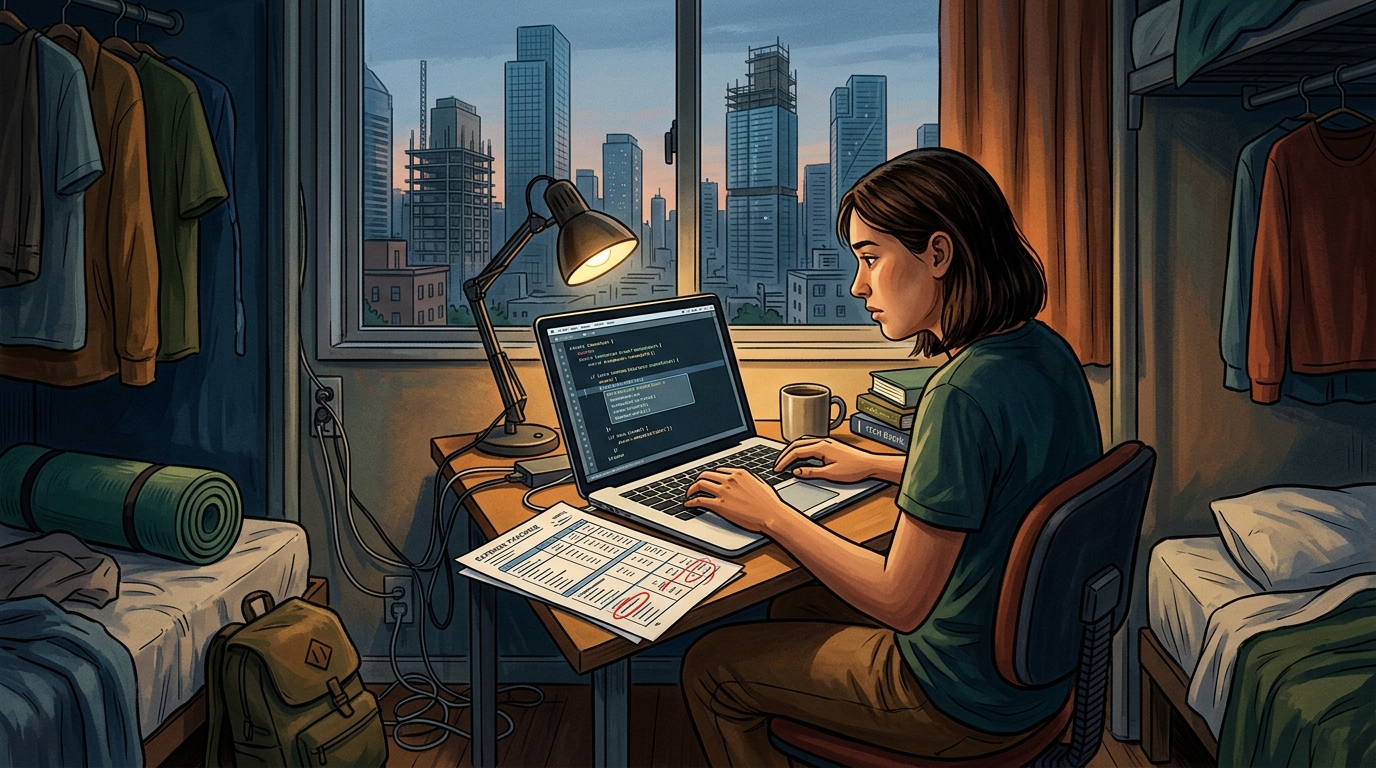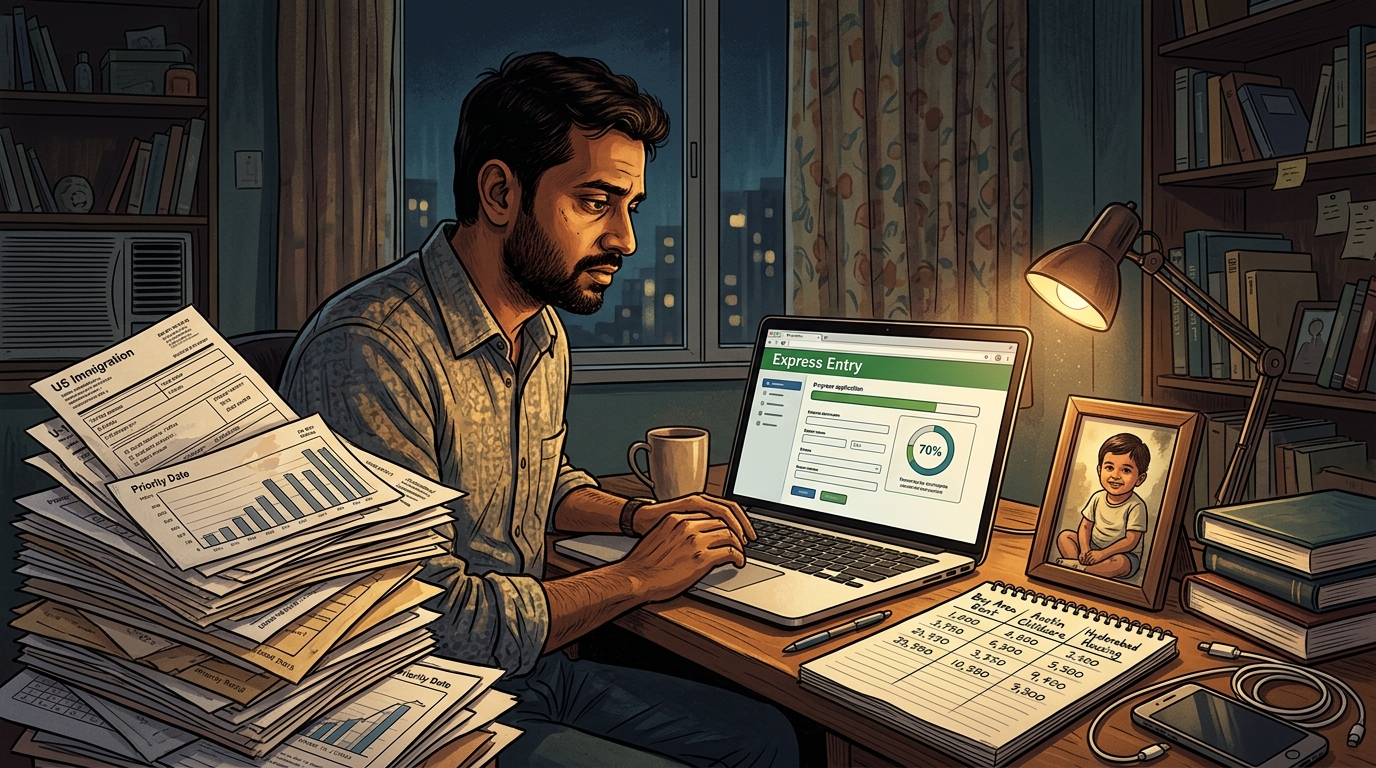
Across India, a quiet demographic crisis is deepening. Millions of elderly citizens — many of them parents of non-resident Indians settled in the United States, United Kingdom, Australia and the Gulf — are navigating daily life with little institutional support, inadequate healthcare infrastructure, and a social safety net that remains thin by global standards. As India's urban middle class ages, and as its children spread across continents, elder care has emerged as one of the country's most pressing but least-discussed policy challenges.
The Numbers Behind the Crisis
India is home to over 140 million people aged 60 and above, a figure projected to cross 300 million by 2050, according to demographic estimates cited by researchers and policy analysts. Yet public spending on elder care — pensions, geriatric health services, community support — remains a fraction of what comparable economies allocate. The Maintenance and Welfare of Parents and Senior Citizens Act exists on the books, but enforcement is patchy and awareness is limited, particularly in rapidly urbanising districts like those on Hyderabad's western corridor.
Conditions in urban India are especially complicated. Nuclear families have replaced joint households. Adult children migrate — first to Bengaluru, Pune or Hyderabad for work, and then further abroad. What remains is a parent, often in their late sixties or seventies, living alone in a flat — sometimes in a new gated community in a place like Kokapet — with no immediate family nearby and limited access to reliable geriatric care or emergency response.
The NRI Parent: Left Behind in a Changing City
The archetype is familiar to anyone living in Neopolis. A retired couple — one a former government officer, the other a homemaker — moves into a newly purchased apartment in Kokapet or Narsingi, often funded partly by their son or daughter abroad. The location is chosen for its modernity, its proximity to quality hospitals, and its gated security. But within months, the logistical and emotional reality sets in: medication management, social isolation, navigating unfamiliar service providers, and a creeping anxiety about what happens in a medical emergency at 2 a.m.
For NRI families, this is not abstract. It is a weekly phone call filled with guilt, a flight booked every six months, and a steady stream of money wired home for household help, medical consultations and home modifications. The financial support flows. The physical presence does not.
Organised elder care services in Hyderabad — home nursing, geriatric physiotherapy, companionship services — are growing but remain expensive, inconsistent and largely unregulated. Families dependent on informal caregivers face high attrition and little recourse when care quality falls.
A New Trend: NRIs Returning, on Their Own Terms
There is, however, a countermovement gaining quiet momentum — particularly visible in premium residential corridors like Kokapet and Financial District-adjacent Narsingi. A growing cohort of NRIs, many in their late forties and fifties, are choosing to return to India not because they have to, but because they want to. They are returning with savings, with international health habits, with high expectations — and with a clear-eyed view of what they do and do not need from the Indian state.
Conversations with returning NRIs in the Neopolis area reveal a consistent refrain: they are not coming back expecting a welfare state. They understand India's public systems are stretched. They will arrange their own healthcare, their own retirement income, their own social infrastructure. They are not looking for subsidies or entitlements.
What they do expect — and what they say they have every right to expect — is security. Security for their persons. Security for the property they have legally purchased or inherited. And a functional, responsive system when those two things are threatened.
Property and Personal Safety: The Non-Negotiables
Property disputes involving NRI-owned real estate in Hyderabad are well-documented. Encroachment, fraudulent power-of-attorney misuse, illegal tenancy, and title manipulation are recurring problems that the Telangana government has taken steps to address — but resolution remains slow and court processes are exhausting for those living overseas. For returning NRIs settling in districts like Kokapet, clear land records, responsive local administration and a police system that takes property complaints seriously are not luxuries. They are preconditions for choosing to return.
Personal safety is equally central. Elderly residents — whether NRI parents living alone or returning NRIs themselves — require confidence that local law enforcement will respond promptly, that residential societies are genuinely secure, and that emergency services are accessible. Kokapet and Narsingi, as relatively newer urban settlements, are still building out this infrastructure. The pace matters.
What the Policy Gap Looks Like
India does not yet have a comprehensive national elder care policy with teeth. There is no universal geriatric insurance, no mandated minimum staffing for senior living facilities, and no standardised licensing regime for home care agencies. State governments vary enormously in their commitment to elder welfare. In Telangana, some steps have been taken — Arogyasri health coverage, for instance, assists lower-income seniors — but the middle-class and upper-middle-class elderly, the very cohort concentrated in areas like Kokapet, fall into a gap: too affluent for state welfare, too old and vulnerable to navigate a fragmented private market without guidance.
What This Means for You
- If your parents live in Kokapet or Narsingi: Research elder care service providers early. Do not wait for a health event. Establish relationships with local hospitals, identify a trusted general physician, and ensure your parents are registered with the residential society's emergency contact system.
- If you are an NRI considering returning to Neopolis: Verify property documents thoroughly before or upon arrival. Engage a reputable local legal advisor for title checks. Understand the local police station's jurisdiction and keep emergency contacts current.
- If you are a Neopolis resident or RWA member: Advocate for senior-specific amenities — ground-floor accessible facilities, emergency call systems and tie-ups with ambulance services. These are community investments, not optional extras.
- Broader ask from the community: Hyderabad's western corridor, including Kokapet, is home to a significant and growing senior population. Local administration, ward officials and GHMC need to treat elder care infrastructure as a development priority, not an afterthought.
The eldercare question in India is not going away. It will grow larger, louder and more urgent with every passing census. For a district like Neopolis — young in its urban identity but rapidly maturing in its demographics — getting ahead of this curve is both a civic responsibility and, frankly, good planning.