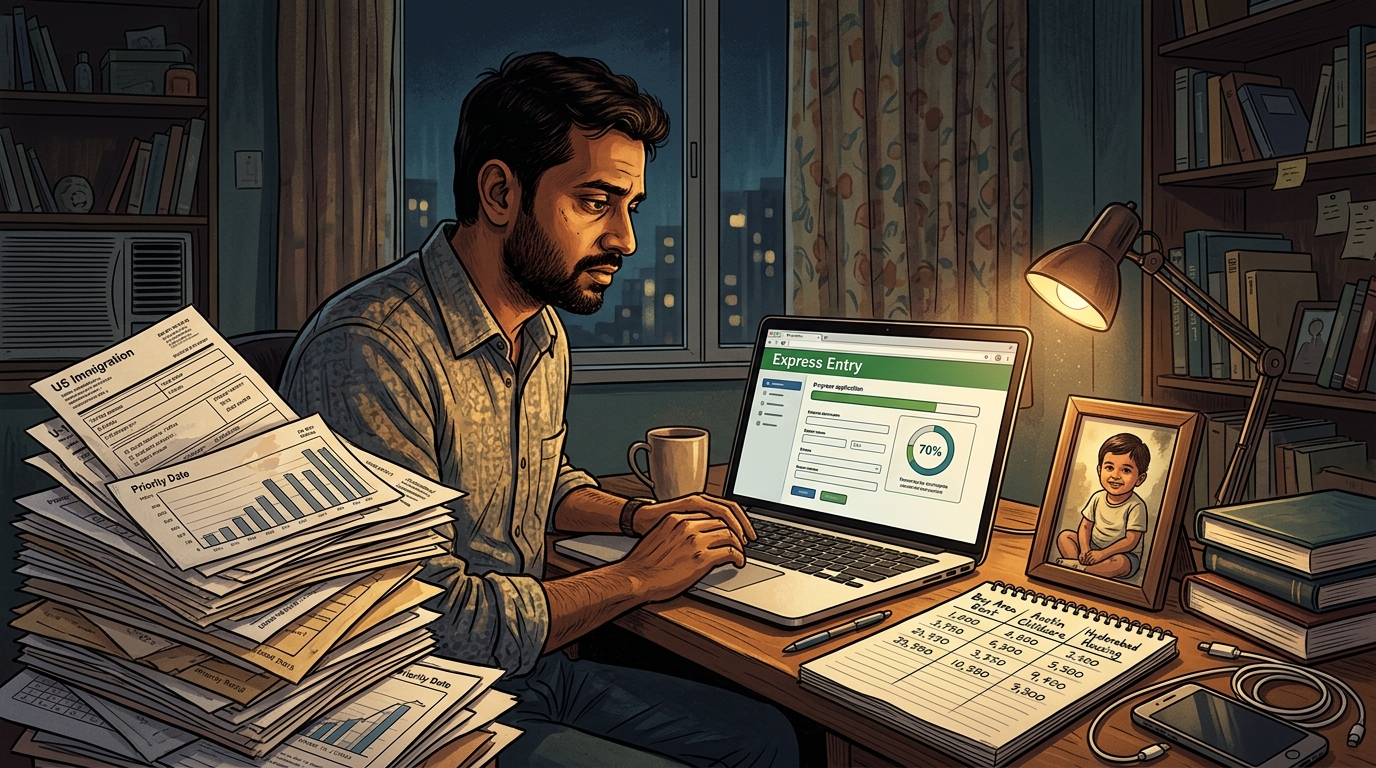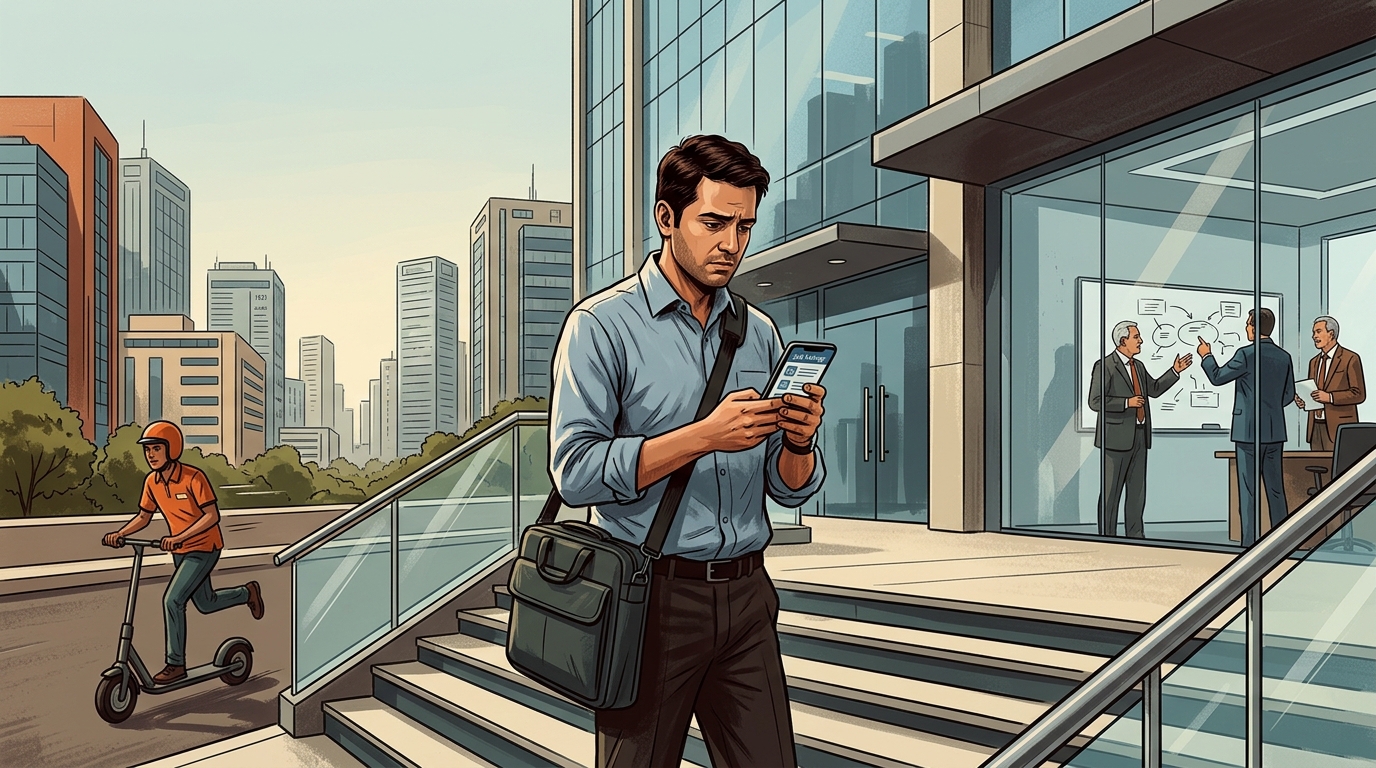
India's Generation Z — broadly those born between the late 1990s and early 2010s — is entering one of the most uncertain labour markets in recent memory. A convergence of two powerful forces is shaping their anxiety: the accelerating adoption of artificial intelligence across white-collar industries, and the relentless rise in the cost of living in major metros, including Hyderabad.
A Bloomberg Opinion piece highlights how India's young population is being forced to reckon with an AI-transformed future, even as inflation in urban centres makes the present feel precarious. The combination is producing a generation that is simultaneously better educated and more economically anxious than those before it.
AI: Opportunity or Displacement?
Across India's technology corridors, AI is no longer a distant abstraction — it is actively changing what employers want from entry-level and mid-career professionals. Repetitive analytical tasks, basic coding, content drafting, and data processing — areas where young workers typically build foundational skills — are increasingly being automated or augmented by AI tools. This is compressing the traditional on-ramp into professional careers.
At the same time, new roles are emerging for those who can work alongside AI systems — prompt engineering, AI model oversight, data curation, and human-AI workflow design. However, access to training for these skills is uneven, and the pace of transition is outrunning formal education systems.
Metro Inflation Adding to the Pressure
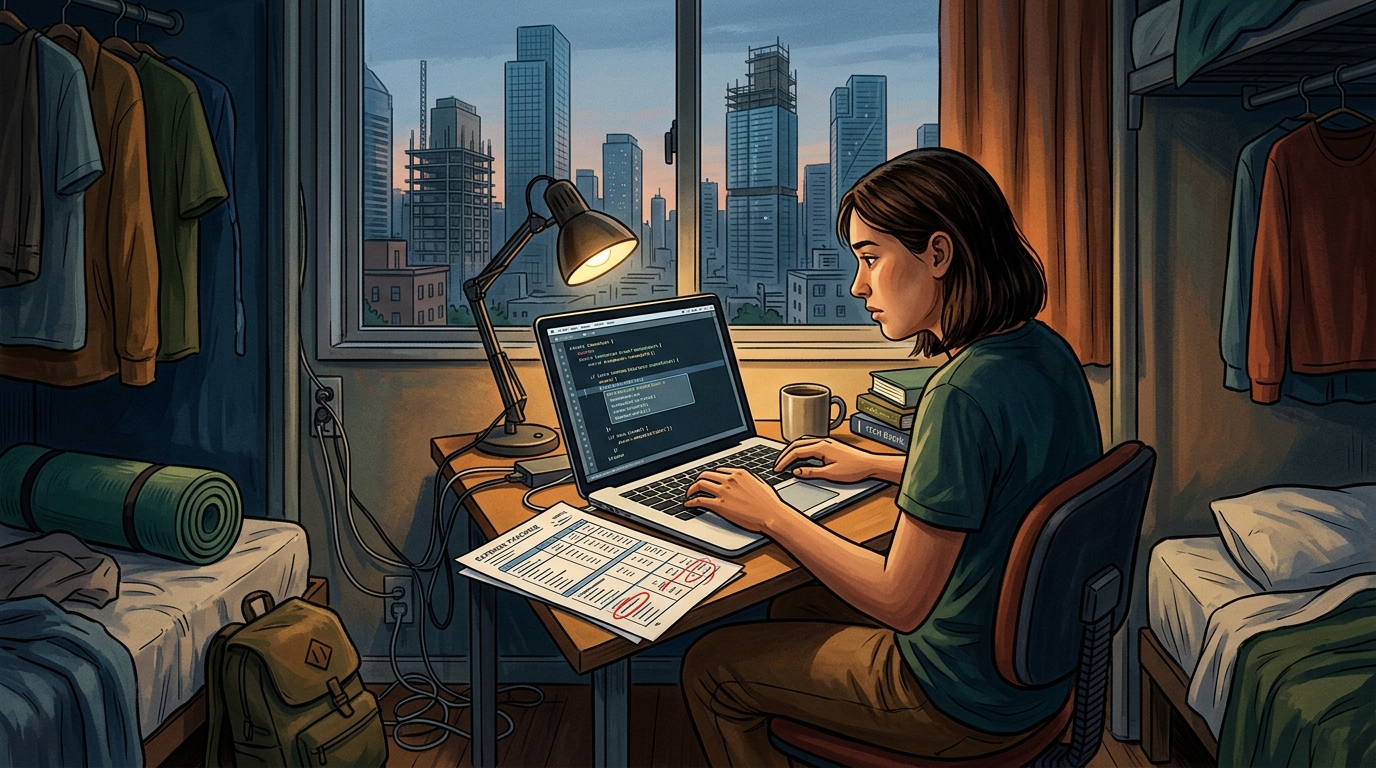
Rising costs in Hyderabad's rapidly growing western corridor — which includes areas like Kokapet and Narsingi — add a material dimension to this anxiety. Rents, food prices, and commuting costs have all climbed meaningfully in recent years, driven by the very IT and infrastructure boom that drew young professionals here in the first place.
For a young software engineer or analyst who relocated to Neopolis for a first job, the calculus is increasingly difficult. Entry-level salaries, while competitive on paper, are being eroded by the cost of housing in proximity to workplaces. Many are choosing shared accommodations further from office hubs or stretching finances into home loans at historically high EMI burdens — all while uncertain whether their role will look the same in five years.
A Structural Shift, Not a Passing Phase
Economists and labour analysts broadly agree that the AI disruption facing Gen Z is structural rather than cyclical. Unlike previous waves of automation that primarily affected manufacturing and low-skill work, this wave is targeting knowledge work — the domain that educated Indian youth was specifically trained to enter. The anxiety, in this sense, is well-founded and not simply a product of generational pessimism.
India's demographic dividend — the large share of working-age population that was meant to drive economic growth — is only a dividend if that population is productively employed. If AI compresses entry-level hiring while inflation raises the cost of survival, the dividend could become a liability.
What This Means for You
- If you are a young professional in Kokapet or Narsingi: Upskilling in AI-adjacent areas — even through online platforms — is no longer optional. Understanding how AI tools work in your domain protects employability.
- If you are a home buyer or prospective resident: Factor long-term job security into financial decisions, especially for large EMI commitments in Neopolis's premium housing market.
- If you are a local business owner: Gen Z employees are not just looking for salaries — they are looking for employers who invest in their skill development and offer stability amid uncertainty.
- For parents of students: Encourage exposure to AI literacy early; coding and technology alone are insufficient — critical thinking and adaptability are becoming the real differentiators.
The anxiety India's Gen Z feels about AI and inflation is not irrational. It reflects a genuine structural moment. How individuals, employers, and policymakers in districts like Neopolis respond to it will determine whether this generation navigates the transition — or is left behind by it.