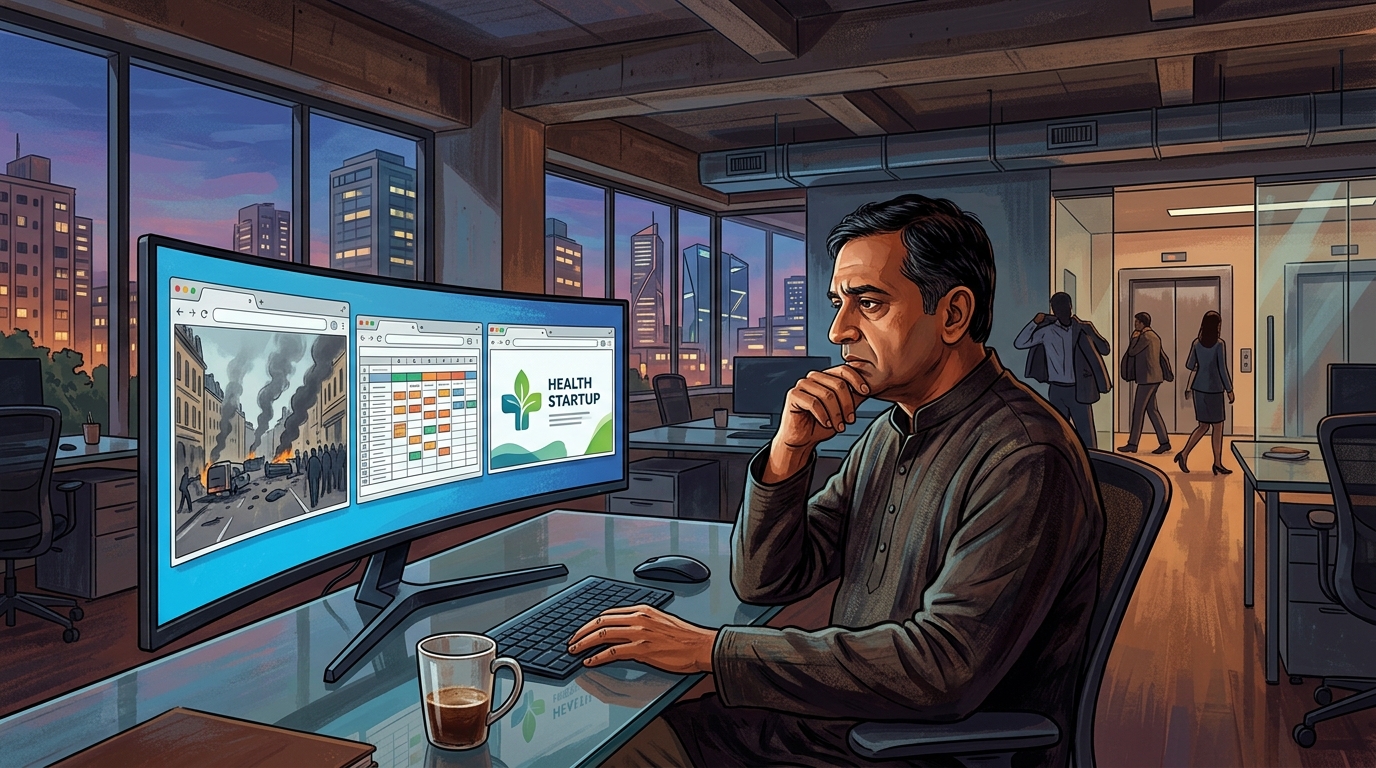
For Hyderabad's business and IT community, national news this week arrives not as distant political theatre but as a set of signals worth reading carefully — about institutional credibility, public safety for mobile professionals, and the soft power India projects (or fails to project) onto the world stage.
The Nobel Silence: A Governance and Brand Problem
Congress MP Shashi Tharoor has publicly called out the central government for its conspicuous silence after an Indian-origin scholar won the Nobel Peace Prize. In a post on X, Tharoor described the absence of any congratulatory message from the government as "deplorable." While the political back-and-forth may seem like routine Opposition sparring, there is a substantive concern underneath it that professionals — particularly those in global-facing roles — should note.
India's technology sector depends significantly on international goodwill, diaspora networks, and the perception of India as a open, intellectually vibrant democracy. When the government of the world's largest democracy fails to acknowledge a Nobel laureate of Indian origin, it chips away at that soft power. For startup founders seeking foreign venture capital, IT professionals negotiating global contracts, or researchers collaborating with international institutions, the reputational texture of the Indian state matters more than is often acknowledged. A government that appears indifferent — or worse, selectively hostile — to distinguished Indian-origin voices abroad sends a signal that can subtly complicate those conversations.
Violence Against Business Professionals: A Pattern Demanding Policy Response
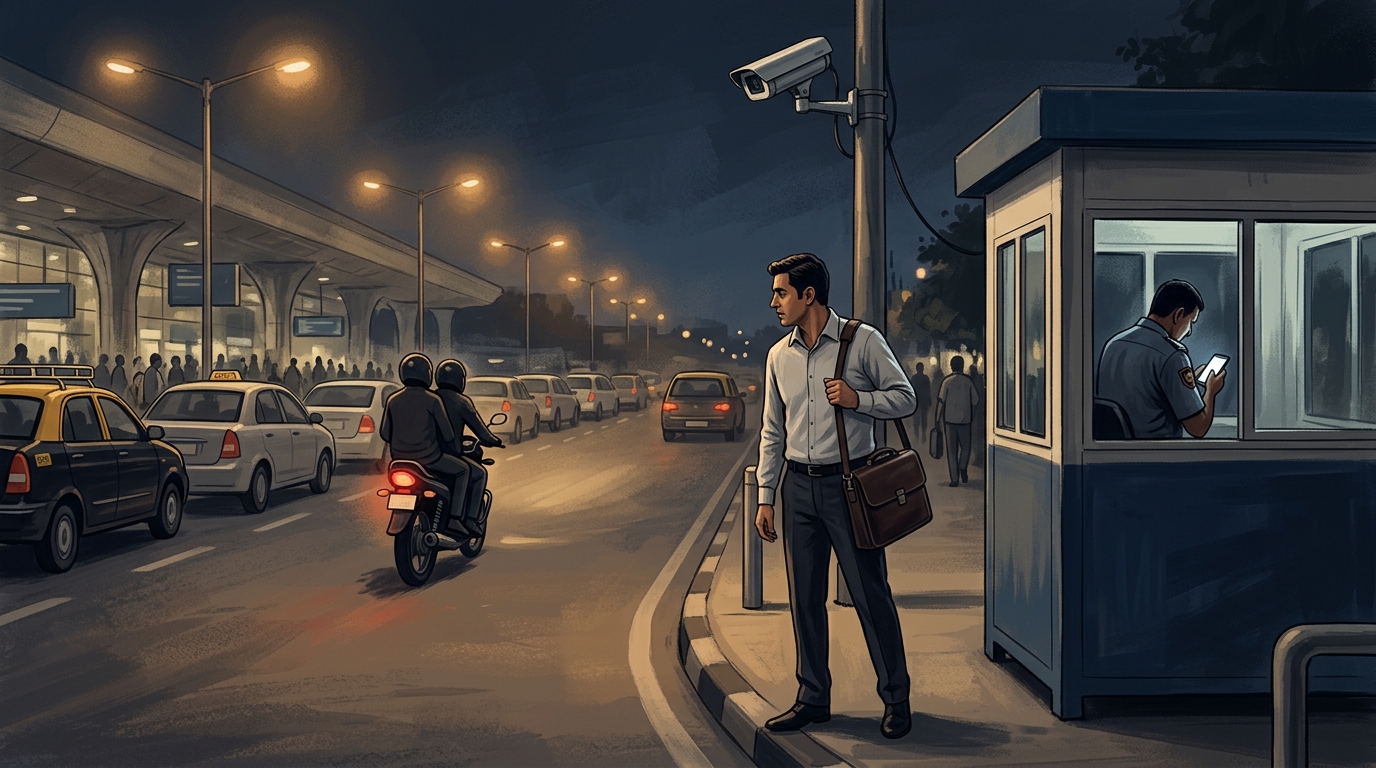
Two incidents this week place a harsh spotlight on the physical safety of India's professional and business class in public spaces. In Mumbai, the high-profile attack on a businessman — with assailants reportedly riding past multiple busy police junctions undetected — raises serious questions about urban law enforcement readiness. Separately, a Pune businessman was attacked near the airport by gunmen wielding machetes, a location that is, by definition, a high-security zone.
These are not isolated anecdotes. They represent a pattern of organised criminal audacity in major Indian metros that should concern anyone who travels frequently for business, attends late-night networking events, or operates in cash-adjacent industries. For Hyderabad's entrepreneurial community — which regularly moves between Hyderabad, Mumbai, Pune, Bengaluru, and Delhi — these incidents are a professional risk, not merely a law-and-order statistic.
- Founders and investors who travel to Mumbai for deal meetings should be aware that route and timing planning is increasingly a safety consideration, not just a logistics one.
- Corporate employees attending off-site events or late-night client engagements in metros should advocate with their employers for formal travel safety protocols.
- HR and operations teams at IT firms with pan-India footprints need to revisit duty-of-care policies for employees on business travel.
The Deeper Structural Problem: Policing Gaps in High-Growth Cities
What connects these incidents is not merely criminal boldness but a systemic underfunding and under-reform of urban policing across India's major commercial centres. As Indian cities have grown economically — attracting investment, talent, and enterprise — the public safety infrastructure has not kept pace. This is a failure of policy prioritisation, and it falls disproportionately on those whose professional lives require them to be visible and mobile in urban public spaces.
A progressive reading of this gap recognises that it is not only business elites who suffer — gig economy workers, delivery personnel, and informal sector workers bear far greater exposure to urban violence with even fewer institutional protections. But acknowledging that reality should sharpen, not dull, the demand for better-funded, better-trained, and more accountable urban police forces across the country.
What This Means for You
- If you work in global business development or partnerships: Track how India's international diplomatic posture — including symbolic moments like Nobel acknowledgements — shapes the perception of your organisation's home country among foreign partners and investors.
- If you travel frequently for work: Treat personal safety planning as a professional responsibility. Advocate for employer-supported travel safety policies, especially for late-night or high-risk-city travel.
- If you lead a team or run a startup: Raise duty-of-care standards proactively. The legal and ethical liability of sending employees into inadequately safe environments is real and growing.
- As citizens and voters: Support demands for meaningful urban policing reform and hold both state and central governments accountable for the safety infrastructure that professional and economic life depends on.
This week's headlines, taken together, are less about discrete incidents than about the gap between India's economic ambitions and the institutional quality needed to sustain them. Closing that gap is not just a governance imperative — it is a professional one.