This week's Hyderabad news cycle offers two stories that, while superficially unrelated, together paint a revealing picture of the city's social fabric — one where technology can be a force for extraordinary good, and where its misuse can quietly corrode the communities that tech workers and entrepreneurs call home.
AI as a Social Safety Net: A Lesson From Razak Bi's Reunion
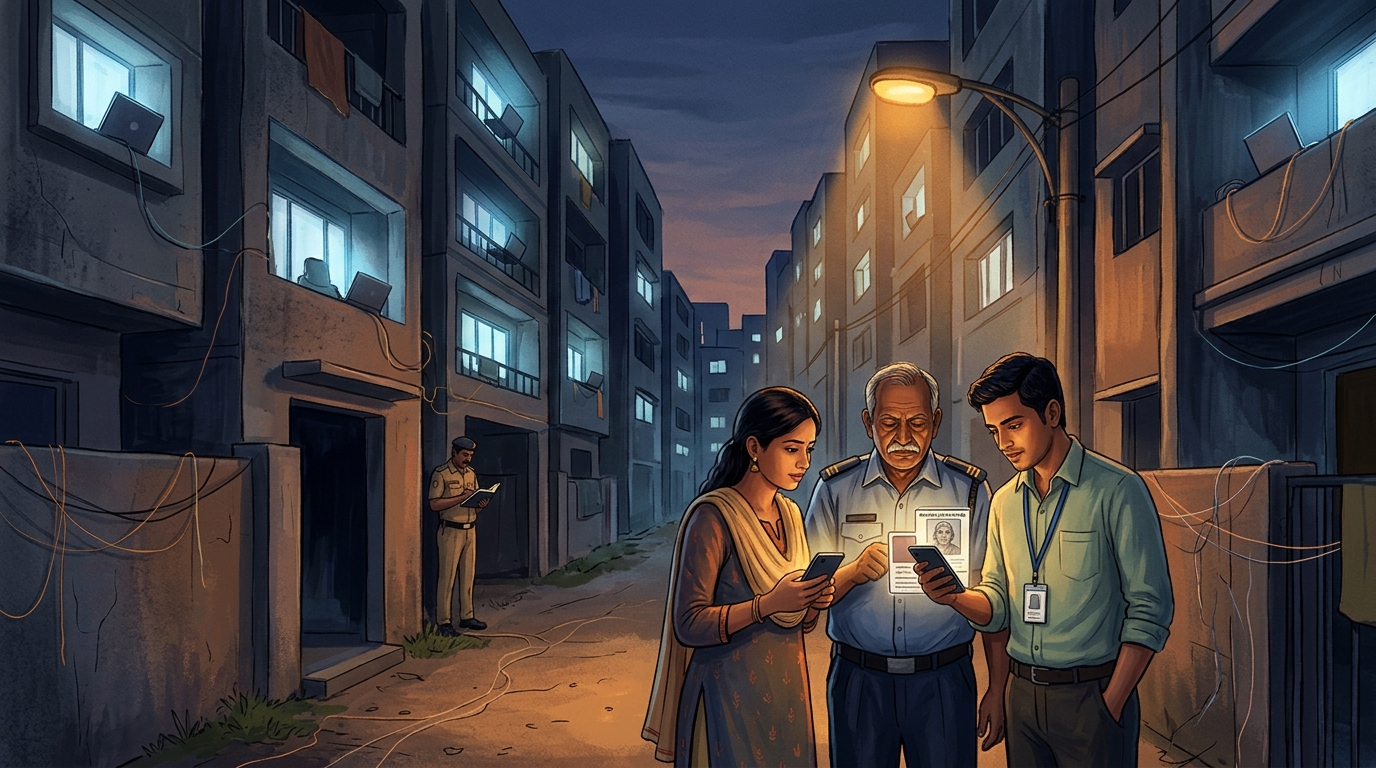
The story of 70-year-old Razak Bi, who went missing for 16 days after boarding the wrong vehicle in Karnataka before being reunited with her Hyderabad family through AI-assisted search tools and community networks, is more than a heartwarming anecdote. It is a concrete demonstration of what happens when digital tools are deployed with genuine civic intent.
For a city that positions itself as India's AI and deep-tech capital, the incident raises a pointed question: why does reuniting a missing elderly person still depend on informal community networks and improvised AI searches, rather than a structured, city-funded digital welfare system? Hyderabad's IT sector generates enormous wealth and talent. The capacity to build robust, AI-powered missing persons infrastructure — integrated with GHMC's civic systems and CCTV networks — clearly exists. The political will to fund and prioritise it for vulnerable citizens, rather than for commercial or surveillance applications, is what remains conspicuously absent.
For IT professionals and startup founders in Hitec City and Gachibowli, this story doubles as a quiet challenge: civic-tech remains one of the most underfunded and undervalued application domains in the local startup ecosystem, despite its potential for genuine social impact.
The Manikonda Drug Arrest: A Neighbourhood Under Pressure
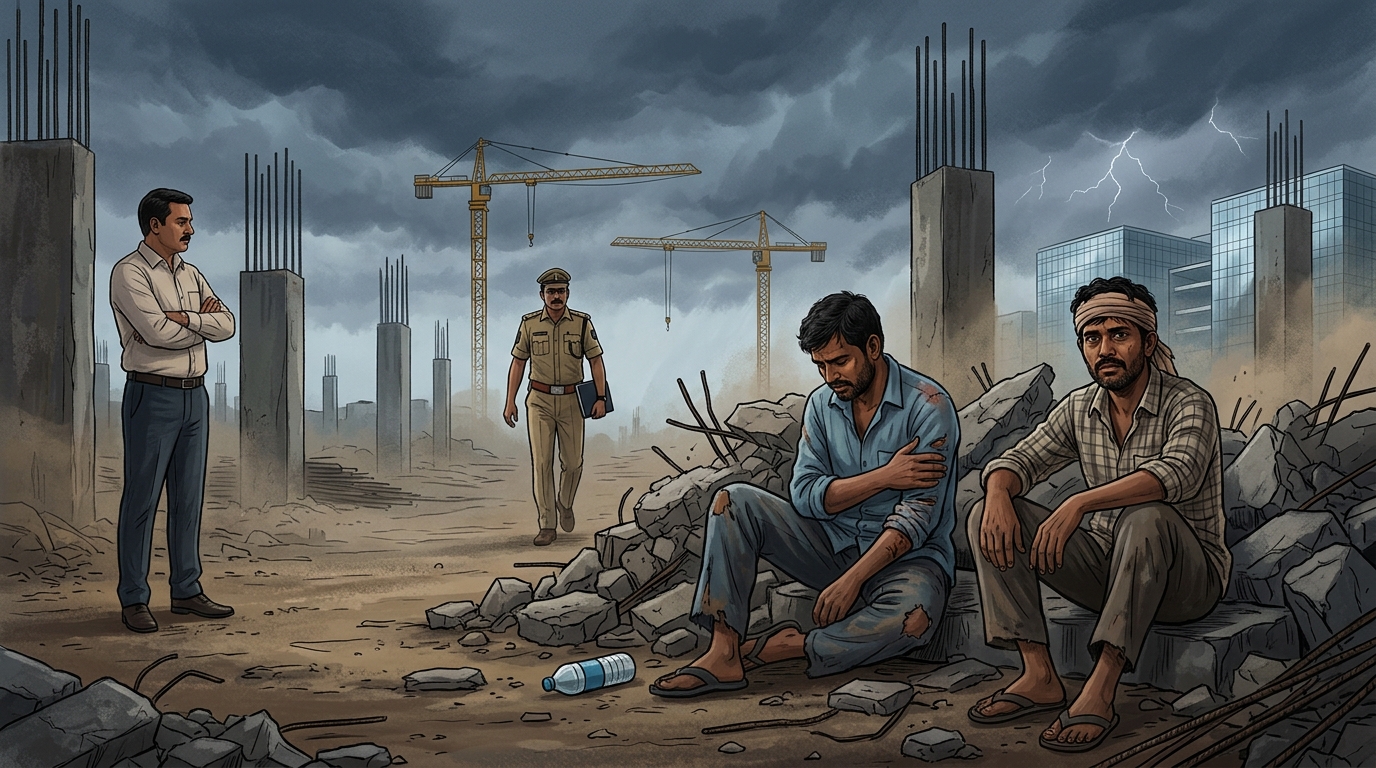
The arrest of a Manikonda-based photographer in connection with MDMA resale — with two accused, Mahesh Reddy and Harischandra, still absconding — brings into focus a discomfiting reality about Hyderabad's rapidly urbanising tech corridors. Manikonda sits at the geographic heart of the city's IT belt, bordered by Gachibowli, Hitec City, and the Financial District. It is home to tens of thousands of young tech workers, many living in dense apartment complexes with limited community oversight.
The case is not an isolated incident. As Hyderabad's IT districts have expanded and rental housing has densified, so too have reports of recreational drug use and low-level resale networks operating within residential communities. This is not a moral panic — substance use exists across all urban demographics globally — but it does reflect a structural gap: the city's planning and welfare infrastructure has not kept pace with the social complexity of its fastest-growing neighbourhoods.
Special police teams have been formed to trace the absconding accused, which is an appropriate law enforcement response. However, a more durable solution would involve investment in community mental health resources, harm reduction awareness, and neighbourhood-level civic engagement in areas like Manikonda, Kondapur, and Jubilee Hills — resources that are chronically underfunded relative to the tax revenue these very neighbourhoods generate.
The Bigger Picture: A City That Deserves Better Civic Investment
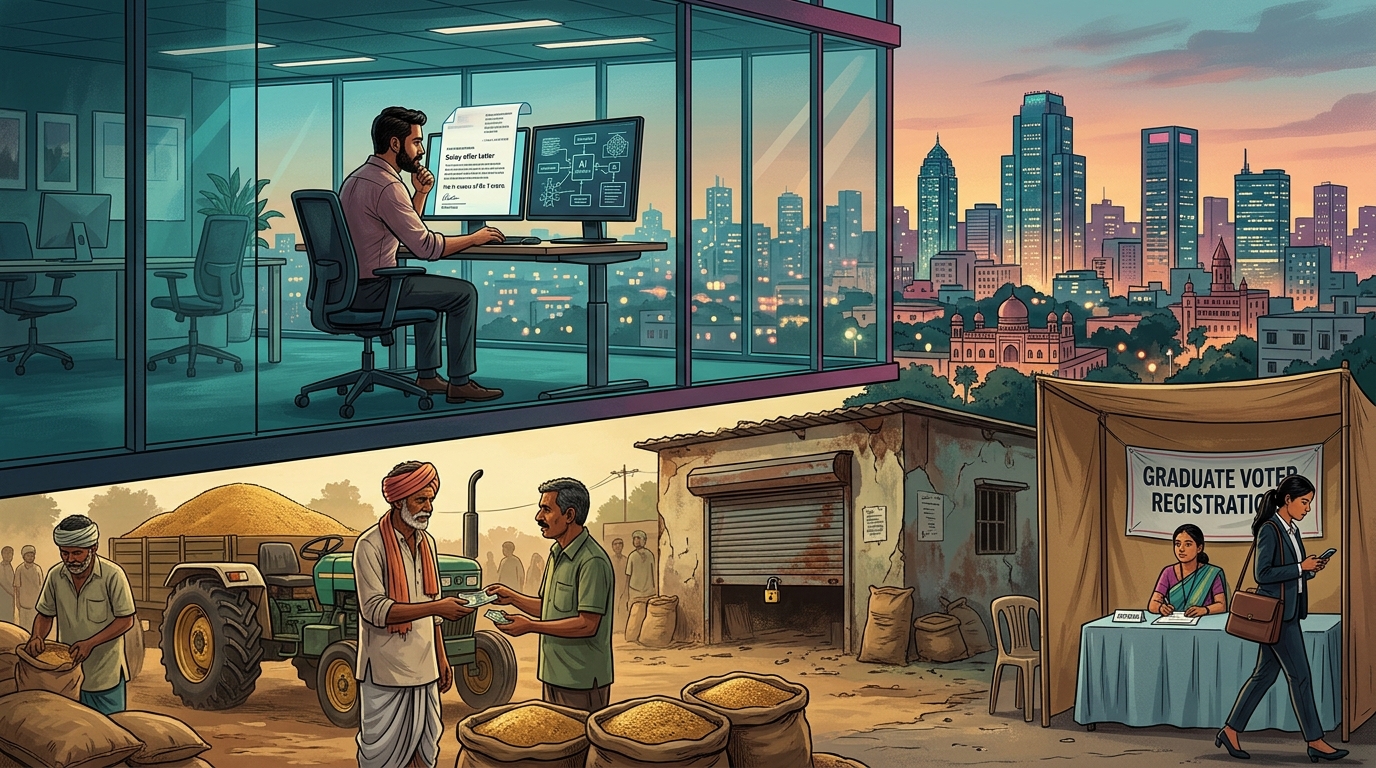
Read together, these two stories point to the same structural tension that defines contemporary Hyderabad: a city generating world-class economic output while its civic and social infrastructure struggles to serve its most vulnerable residents — whether a 70-year-old woman who boards the wrong bus, or a young professional living in an under-regulated housing cluster with limited access to mental health support.
GHMC and HMDA have significant roles to play here. Urban planning that integrates social welfare, digital safety nets, and community health services alongside commercial development is not a luxury — it is the baseline expectation for a city of Hyderabad's stature and ambition.
What This Means for You
- IT professionals and residents in Manikonda, Gachibowli, and Kondapur should be aware of the active police operation following the MDMA arrest, and should engage with their residential welfare associations on community safety protocols.
- Startup founders and civic-tech entrepreneurs should see Razak Bi's story as both a market signal and a moral prompt — AI-powered missing persons and elder-safety tools are a genuinely underserved civic need in Hyderabad.
- Investors and CSR decision-makers looking for high-impact local deployment of capital would do well to look beyond commercial proptech and fintech toward mental health infrastructure and community welfare technology in the city's IT corridors.
- All city residents should hold GHMC and local representatives accountable for ensuring that the civic dividend of Hyderabad's tech boom is reinvested into the social fabric of its fastest-growing neighbourhoods.