This week's national headlines, stripped of their international noise, tell a quieter but more consequential story about the state of Indian governance — one that professionals in Hyderabad's IT and business ecosystem would do well to read carefully. Three domestic developments stand out: Delhi's chronic drainage failure, Punjab's deepening law-and-order crisis ahead of elections, and the Opposition's escalating confrontation with the Election Commission. Together, they sketch a portrait of a republic straining under the weight of deferred reform.
Delhi's Infrastructure Crisis: A Warning for Every Indian City
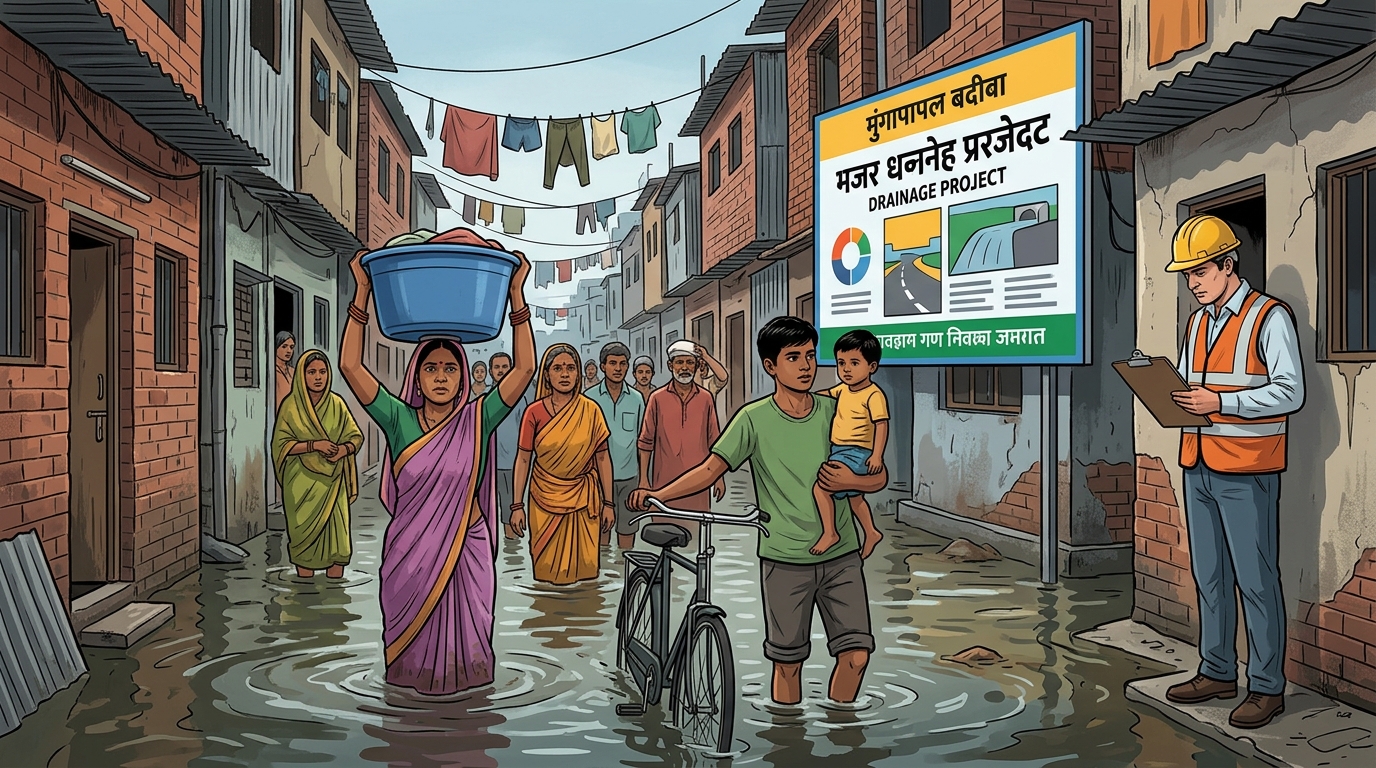
The Rs 263 crore drainage plan approved for Delhi's Kirari constituency — home to over 100 unauthorised colonies with no sewerage system — is not just a Delhi story. It is a national parable about what happens when urbanisation runs decades ahead of public infrastructure investment. Kirari floods in sewage every monsoon. The government has now sanctioned funds, but the question any infrastructure-literate professional must ask is: why did it take this long, and is the money actually budgeted or merely announced?
For Hyderabad's tech and startup community, the lesson is structural. India's Tier-1 cities — including Hyderabad itself — are under similar pressure from rapid in-migration driven largely by the IT sector. When public infrastructure lags private growth, the burden falls disproportionately on lower-income urban residents, the very people who form the backbone of the logistics, domestic services, and gig economy that keeps the professional class functional. Poor drainage is not an aesthetic problem; it is a public health emergency that drives up absenteeism, suppresses productivity in informal sectors, and ultimately costs the broader urban economy.
Critically, a reactive Rs 263 crore patch — approved after decades of neglect — is precisely the kind of fiscal inefficiency that a more proactive, equitable urban planning framework would avoid. IT professionals and startup founders who advocate for smarter cities should note that smart city rhetoric without sewage infrastructure is, frankly, just rhetoric.
Punjab's Arms Problem: Political Risk Before Elections
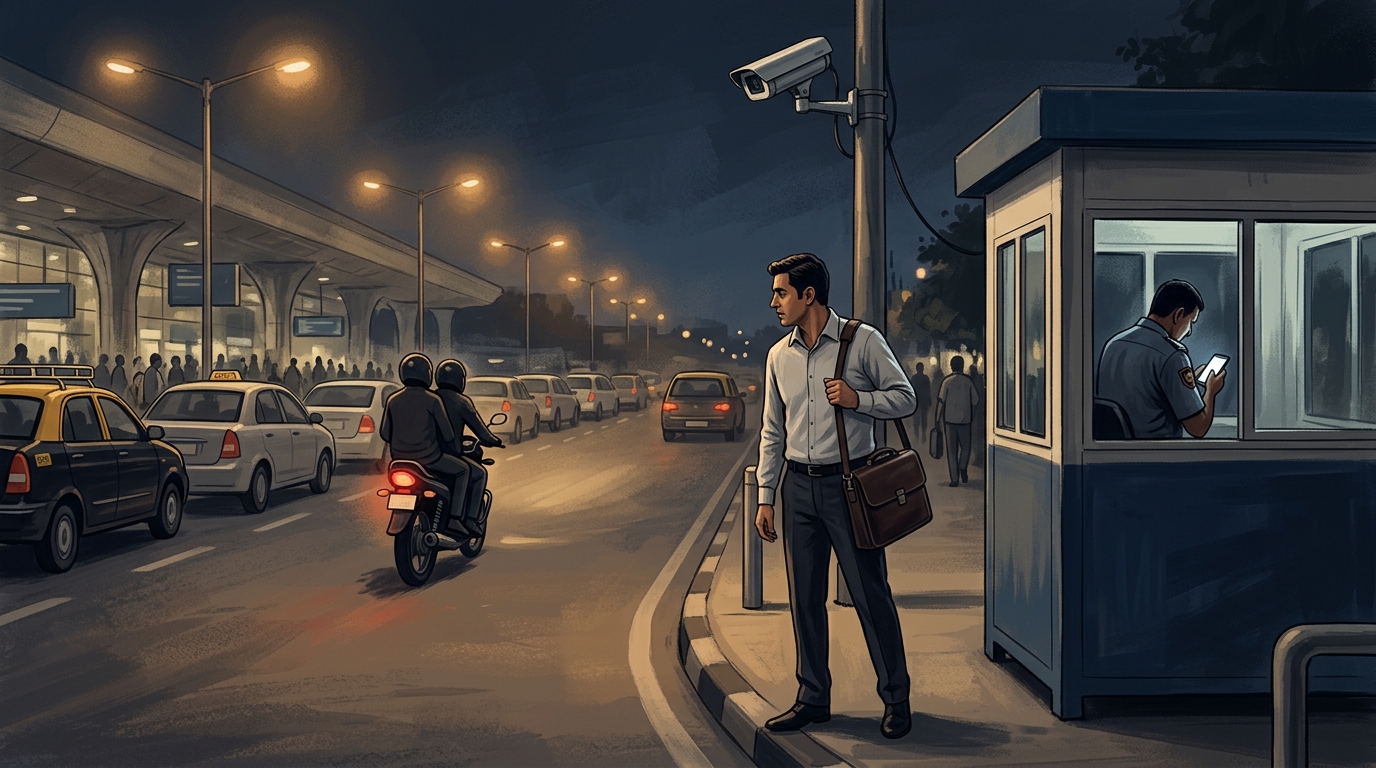
Reports of sophisticated illegal weapons circulating in Punjab ahead of upcoming polls raise legitimate concerns about state capacity and electoral integrity. Punjab's arms trail — guns tied to political killings and attacks on police — signals a governance environment where the state has partially lost its monopoly on legitimate force in certain pockets. This is not merely a law-and-order issue; it is a political economy issue.
For investors and business professionals, electoral instability in a border state has measurable downstream effects. Punjab is a significant agricultural and industrial corridor. Disruptions to its political stability — particularly ones tied to organised crime and illegal arms — carry risks for supply chains, logistics networks, and the broader investment climate in northern India. Startups in agri-tech, logistics, and fintech with pan-India ambitions should be tracking this closely.
Opposition's March and Electoral Commission Tensions
The Samajwadi Party-led Opposition march near the Election Commission's office, following a broader coalition of parties raising concerns about the poll body's functioning, reflects a deepening institutional trust deficit. When opposition parties — however varied their motivations — collectively question the neutrality of a constitutional body, it matters for the health of democratic accountability.
For India's business community, an Election Commission perceived as politically partial is a systemic risk. Free and fair elections are the foundational legitimacy mechanism for economic policy. Governments that win under credible conditions are better positioned to pursue long-term reform. Those whose mandates are disputed — rightly or wrongly — face persistent legitimacy challenges that complicate policymaking. This is not a partisan observation; it is an institutional one.
What This Means for You
- Urban infrastructure investors and startups: The Kirari drainage story underscores the massive unmet market — and policy gap — in Indian urban public services. Govtech, water management, and urban planning startups have real opportunity here, but only if procurement reform follows funding announcements.
- Pan-India logistics and agri-tech founders: Punjab's pre-election instability warrants scenario planning for supply chain disruptions in the north-west corridor through 2025.
- Policy-watching professionals: The Opposition-Election Commission standoff is worth tracking not as political theatre but as an indicator of institutional resilience. How India's constitutional bodies handle pressure in the next 12 months will shape the policy environment well beyond the next election cycle.
- All professionals: The common thread this week is deferred accountability — in drainage systems, in arms control, in democratic institutions. The cost of deferral is always paid eventually, and rarely by those who made the deferral decision.