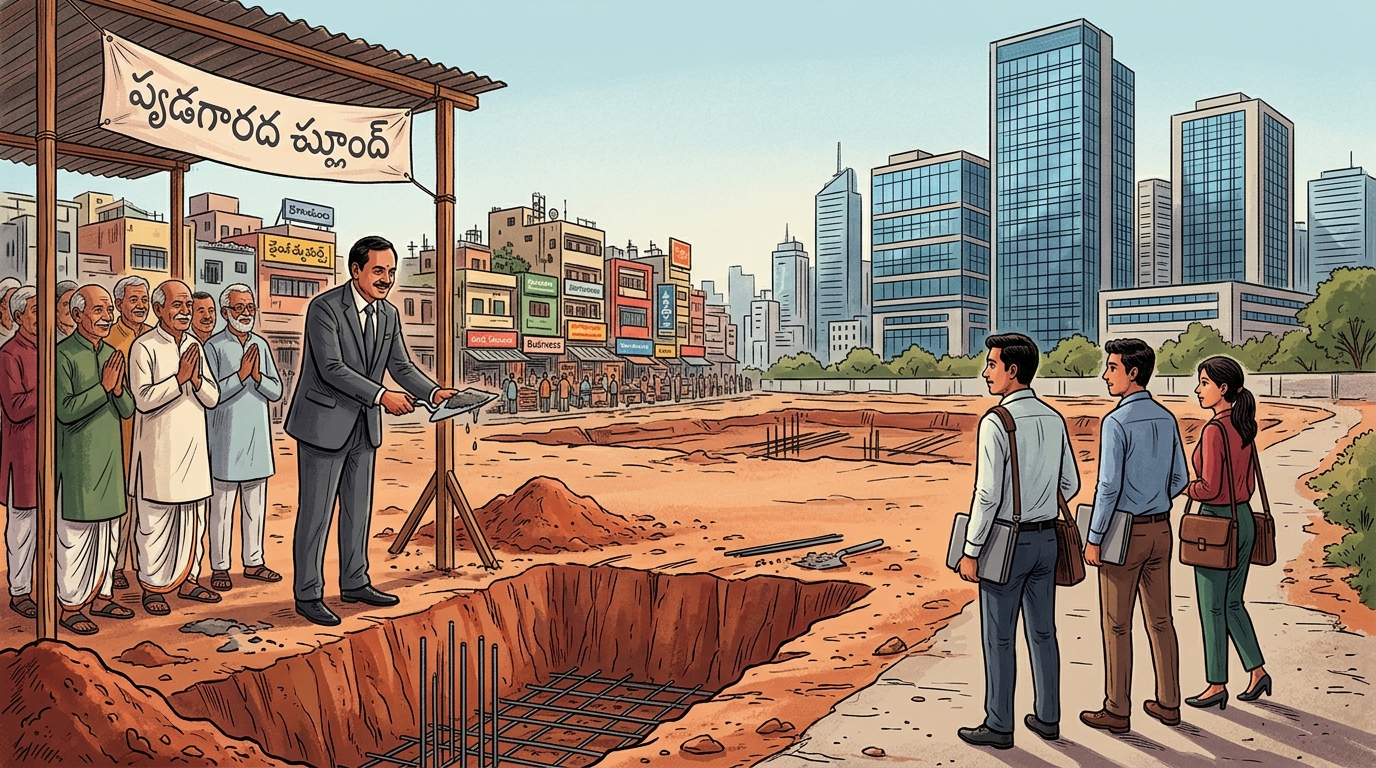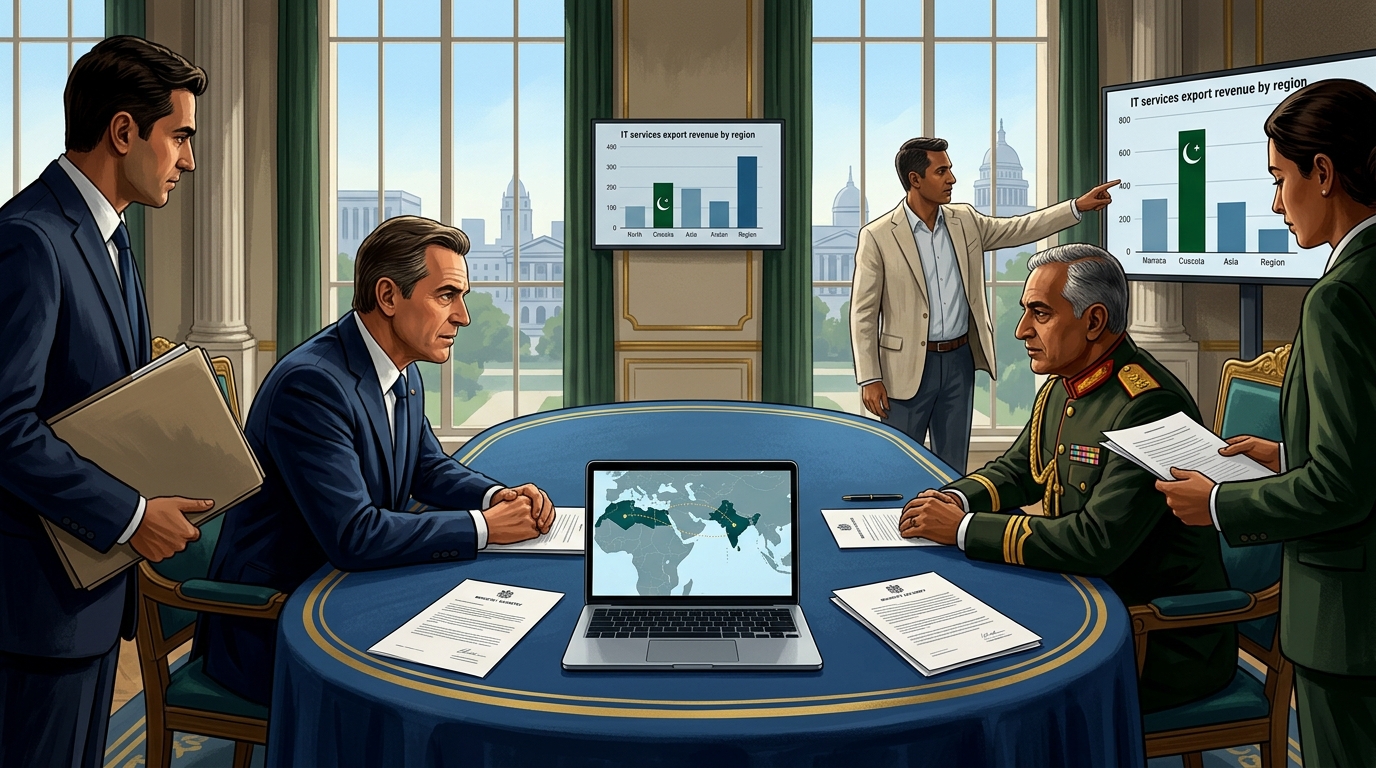
New Delhi was at the centre of consequential geopolitical and diplomatic activity this weekend, as India hosted the 18th BRICS Summit under its chairship. Prime Minister Narendra Modi held a bilateral meeting with Egyptian President Abdel Fattah El-Sisi on Sunday, a meeting that underscores India's broadening strategic and economic outreach across the Global South. Taken alongside a sharply argued opinion piece on India's evolving leverage in its relationship with Russia, this weekend's developments paint a picture of a nation actively reshaping its position in a multipolar world — with tangible consequences for Indian business and the technology sector.
India at the BRICS Helm: More Than Ceremony
India's chairship of the 18th BRICS Summit is not merely a diplomatic milestone. BRICS nations collectively represent a significant share of global GDP and, increasingly, a parallel architecture for trade settlement, development finance, and technology cooperation that operates outside Western-dominated institutions. For India's IT sector — which derives the bulk of its export revenues from the US and Europe — the deepening of BRICS-aligned trade relationships represents both an opportunity and a structural shift worth watching carefully.
The Modi-El-Sisi bilateral meeting is particularly noteworthy. Egypt, a country of over 100 million people with an ambitious digital transformation agenda, has been expanding partnerships with Indian IT firms. Closer India-Egypt ties could open procurement pipelines for Indian technology services companies, including many headquartered or substantially staffed in Hyderabad. Government-to-government digital infrastructure deals, e-governance consulting, and fintech deployments are areas where Indian firms have demonstrated competitive strength globally.
India-Russia: From Resilience to Strategic Leverage
The opinion piece circulating widely this weekend argues that India has moved beyond merely surviving Western pressure over its continued trade with Russia — it is now actively leveraging that relationship. India has been purchasing discounted Russian crude, processing it, and re-exporting refined products, effectively becoming an indispensable node in global energy flows. This has given New Delhi an unusual degree of diplomatic room to manoeuvre.
For business professionals, the implications are layered. Cheaper energy inputs have provided some relief to India's manufacturing and logistics sectors, which in turn affects the operating cost environment for the broader economy. However, the longer-term question — one that Hyderabad's startup founders and investors should not ignore — is how India's geopolitical balancing act shapes its access to Western capital markets, semiconductor supply chains, and technology transfer agreements. A misstep in this balance could affect the FDI and venture capital climate that funds much of the city's startup ecosystem.
What the Diplomatic Surge Means for the IT Corridor
Hyderabad's technology community sits at the intersection of these macro-level shifts in ways that are easy to underestimate. Consider the following:
- New export markets: As India deepens ties with BRICS members and Global South partners like Egypt, Indian IT firms gain access to government digitisation contracts in markets that were previously underserved. This diversification is healthy and reduces dependence on any single geography.
- Rupee trade mechanisms: India's push for rupee-settled trade with Russia and other partners, if it gains traction through BRICS frameworks, could gradually alter how Indian IT companies invoice and repatriate earnings. Finance teams at mid-sized IT firms should be tracking RBI guidance on this closely.
- Geopolitical risk to Western contracts: India's Russia relationship, while pragmatic, carries reputational and compliance risk for IT firms that service US and EU clients in sectors covered by sanctions regimes. Legal and compliance functions within Hyderabad's IT majors are already navigating this carefully — and rightly so.
- Talent and investment flows: A stable, diplomatically active India that is seen as a credible Global South leader tends to attract more sovereign wealth fund interest and multilateral development bank-backed projects — both of which create downstream demand for Indian technology services.
A Note on What Was Left Out
It is worth being direct: several of this weekend's headlines — a tragic hooch death in Nagaland, a road accident fatality in Faridabad, and international stories from New York and Romania — fall outside the scope of what meaningfully affects Hyderabad's professional community in a business or policy sense. Responsible journalism means not inflating the significance of every headline. The stories that matter this week are the diplomatic ones, and they matter quite a lot.
What This Means for You
If you work in IT services, business development, or policy at a Hyderabad-based firm, this week's diplomatic activity is worth more than a passing glance. India is actively constructing new trade and technology relationships that will reshape export geographies over the next decade. Startup founders should be asking whether their go-to-market strategies account for emerging markets newly accessible through India's diplomatic pivot. Investors should be evaluating how India's Russia relationship might affect portfolio companies with significant US or EU revenue exposure. And for IT employees more broadly, the expansion of India's global footprint is, on balance, good news for long-term job creation and wage growth — provided the government ensures that the gains from these partnerships are distributed equitably, and not captured solely by large incumbents at the expense of the wider workforce.