This week's international news cycle, while geographically distant from Hyderabad, carries undercurrents that matter deeply to the city's IT workforce, startup founders, and business professionals. Three stories stand out for their strategic and cultural significance: the United States quietly withdrawing B-1 bombers from a key UK airbase, the death of author and former British politician Jeffrey Archer, and the alarming injury of a teenager during school protests in France. Together, they paint a picture of a world navigating institutional tension, shifting alliances, and the fragility of public trust in governance.
US Pulls B-1 Bombers from UK Base Amid Unspecified 'Threat'
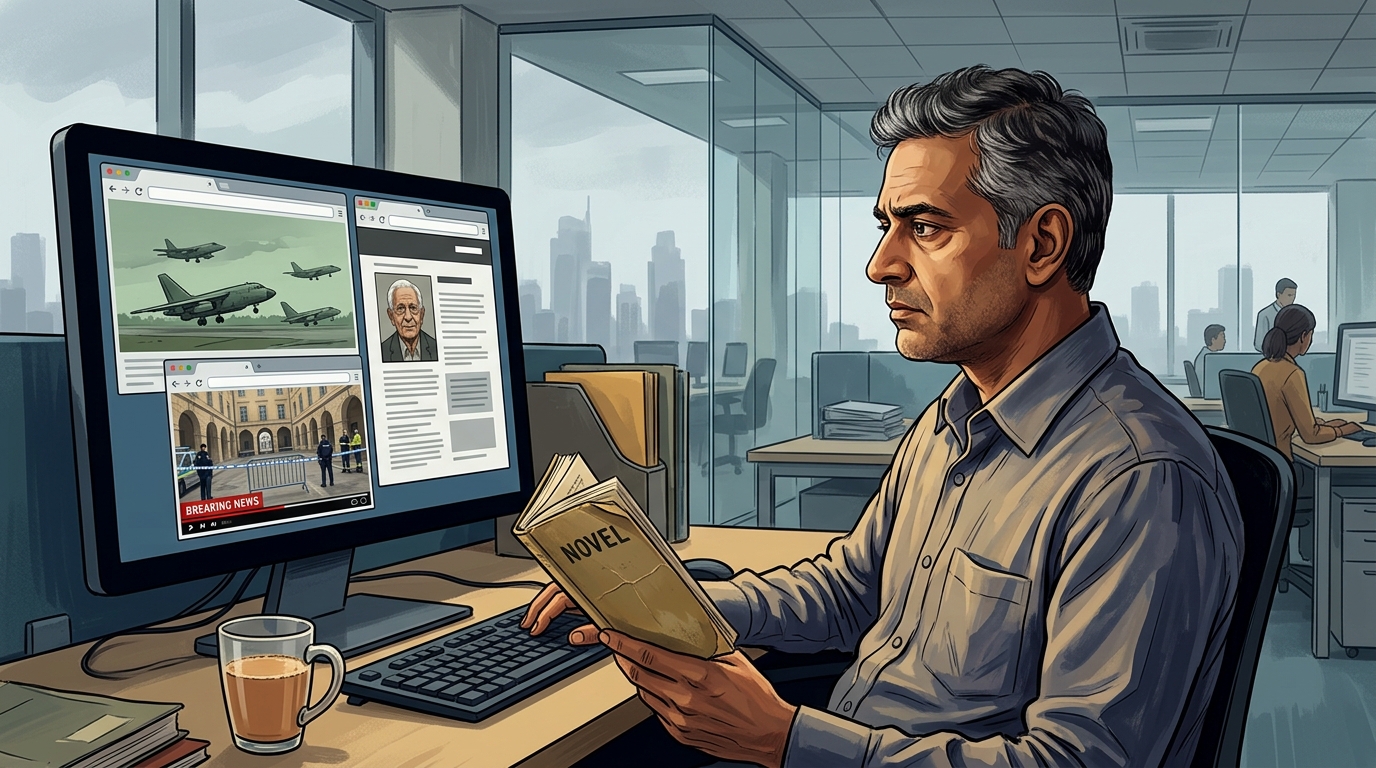
The Pentagon confirmed over the weekend that it had withdrawn its fleet of B-1 Lancer bombers from RAF Fairford in England, returning them to their home stations in the United States. President Trump cited an unspecified 'threat' as the reason for the recall, a statement that raises more questions than it answers.
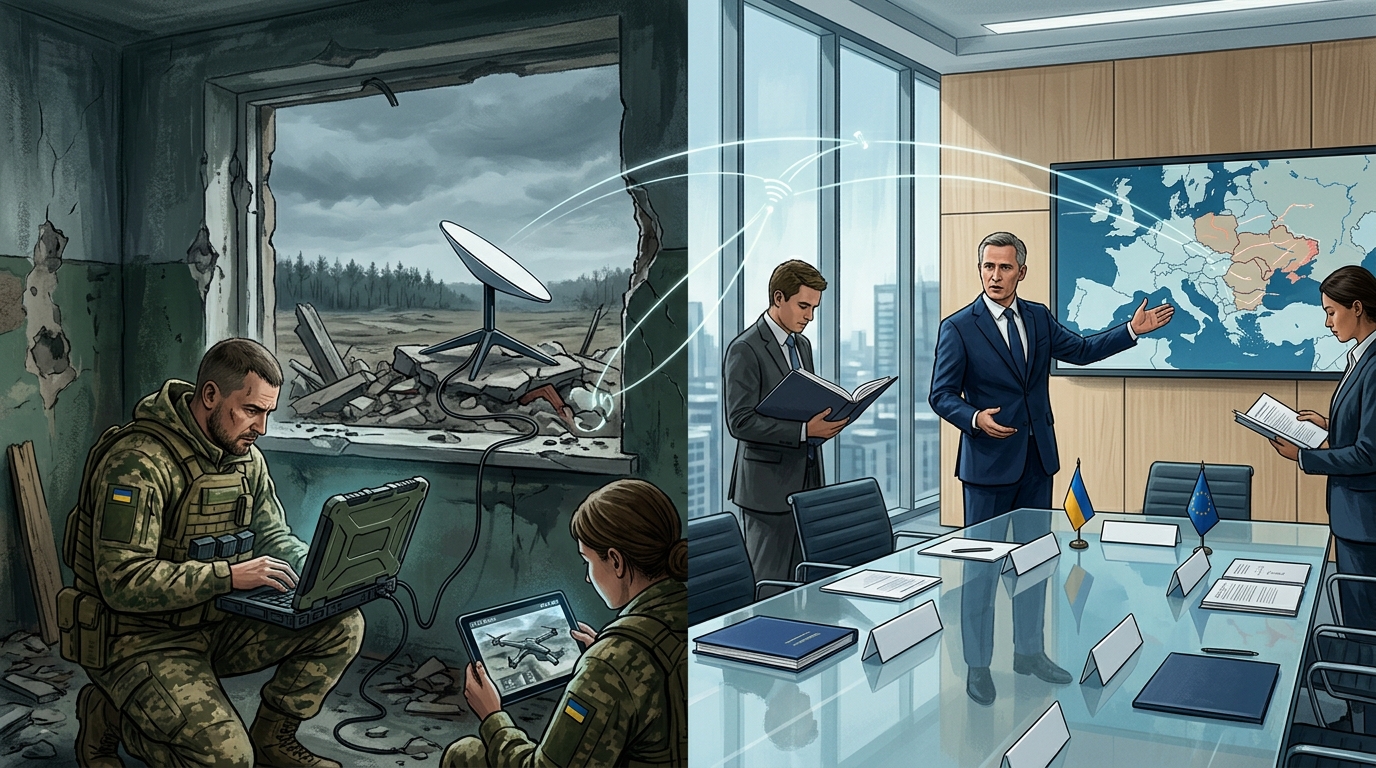
For Hyderabad's technology and business community, the implications are indirect but worth tracking. The US military's posture in Europe has long been a stabilising signal for global financial markets, NATO cohesion, and transatlantic trade confidence. Any perceived weakening of that commitment — or any sudden, unexplained repositioning — tends to introduce volatility into equity markets and currency exchange rates, both of which affect Indian IT firms with significant US and European client exposure.
Several of Hyderabad's largest IT employers — including major GCCs (Global Capability Centres) and software exporters — derive substantial revenue from European contracts. A destabilised European security environment, combined with an unpredictable US foreign policy, could complicate long-term contract negotiations, data sovereignty agreements, and even the willingness of European clients to offshore sensitive workloads. Professionals in project delivery, client relations, and business development should keep a close eye on how this situation evolves over the coming weeks.
Jeffrey Archer Dies at 86: A Complicated Legacy
Jeffrey Archer, the bestselling British author and former Conservative politician, died this week at the age of 86. His final novel, Adam and Eve, is set to release this month. Archer was a figure of extraordinary contradictions — a man who rose from humble origins to the heights of literary fame and political influence, only to serve time in prison for perjury.
His death is a moment worth pausing on, particularly for professionals who have engaged with his work. Archer's novels — Kane and Abel, Not a Penny More, Not a Penny Less, A Prisoner of Birth — were enormously popular in India, especially among the upwardly mobile middle class of the 1990s and 2000s. For many in Hyderabad's current generation of senior IT managers and entrepreneurs, Archer was a formative reading experience, someone who dramatised ambition, class mobility, and the brutal consequences of ethical failure with unusual clarity.
His life, ultimately, was also a cautionary tale about the costs of cutting corners — a lesson that retains its relevance in an era of startup culture that sometimes valorises rule-bending over principled growth.
France's School Protests Turn Violent — A Warning About Institutional Fragility
In the Pas-de-Calais region of northern France, a 15-year-old student lost a hand during a confrontation between school protesters and police. The prefect of the region confirmed the teenager's life was not in danger, but described the incident as 'very serious.' The protests appear to be part of broader student unrest in France, a country that has seen repeated waves of civic agitation over education policy, pension reforms, and economic inequality.
This incident deserves attention beyond its immediate horror. France has long been a bellwether for how advanced democracies handle the tension between austerity-driven policy and social expectations — particularly among young people who feel locked out of economic opportunity. When students in Europe take to the streets and are met with the kind of force that results in a child losing a limb, it signals a deeper breakdown in the social contract.
For Hyderabad's professionals, France is not an abstract concern. Several major French multinationals — Capgemini, Atos, Thales, and others — have significant operations and partnerships in the city. Social and political instability in France can affect corporate decision-making, hiring mandates from European headquarters, and the broader sentiment around outsourcing to India. More philosophically, the French situation is a reminder that economic policy which ignores youth employment, education investment, and public services tends to generate social costs that eventually affect business environments too.
What This Means for You
- IT professionals in US/Europe-facing roles: Monitor geopolitical developments around NATO and US military posture in Europe. Uncertainty in transatlantic relations can affect client budgets, contract renewals, and data policy frameworks — especially for those working in defence-adjacent tech or regulated industries.
- Startup founders and entrepreneurs: Jeffrey Archer's life is a useful parable: ambition without integrity is a short-term strategy. As the startup ecosystem matures, investors and clients increasingly scrutinise governance and ethics alongside growth metrics.
- Business development and client relations teams: France-linked corporate clients may face internal pressures due to domestic unrest. Understanding the social and political context of your clients' home markets is increasingly a professional advantage, not just general knowledge.
- Investors and market watchers: Sudden, unexplained shifts in US military deployments tend to be leading indicators of broader geopolitical stress. Keep a diversified eye on how European risk perceptions evolve over Q3 2025.