India's business and professional community this week is navigating a domestic landscape shaped by two significant national developments: a worsening flood crisis in Uttar Pradesh that has displaced over 16,000 people, and a brazen daylight shooting in Mohali, Punjab, that underscores persistent law-and-order concerns in India's urban and peri-urban corridors. For Hyderabad's IT professionals, startup founders, and corporate workers, neither story is merely a distant headline — both carry meaningful implications for how India's economy and investment climate evolve in the months ahead.
UP Floods: A Humanitarian Crisis With Economic Ripple Effects
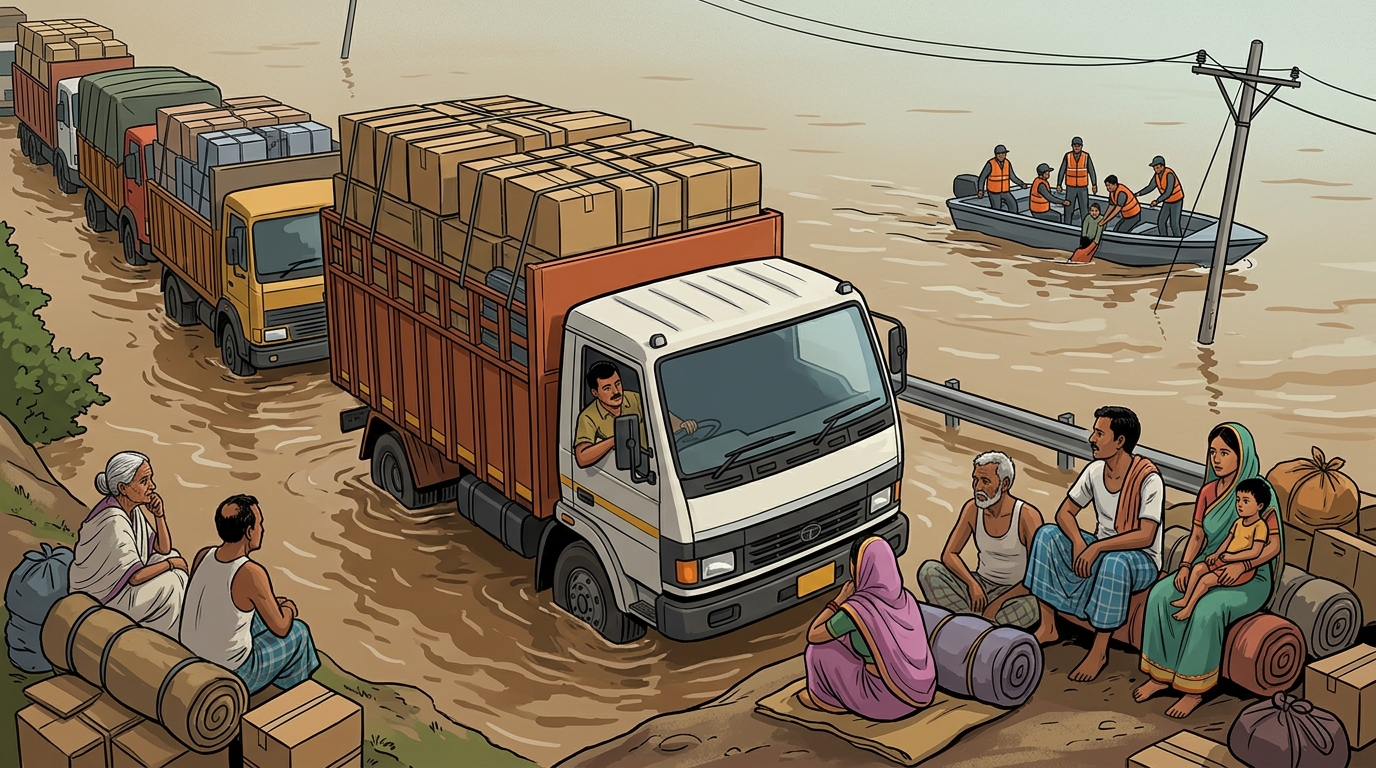
The flood situation in Uttar Pradesh has now crossed a critical threshold, with at least three lives lost and more than 16,700 people evacuated across affected districts. State agencies rescued over 3,000 individuals in a single day this week, signalling the scale and speed at which the crisis is unfolding.
For the business community, floods of this magnitude in India's most populous state are rarely contained in their economic consequences. UP is a significant node in India's agricultural supply chains, road freight corridors, and MSME manufacturing ecosystem. Disruptions here translate into upstream and downstream pressures — from food price inflation to delayed goods movement — that are felt nationally, including in cities like Hyderabad.
There is also a larger structural argument to be made here. Year after year, flood disasters across Indian states expose the chronic underinvestment in public infrastructure: drainage systems, early warning networks, flood-resistant housing, and disaster-response capacity. These are not acts of God so much as the accumulated consequences of policy prioritisation that consistently favours headline-grabbing capital projects over unglamorous but essential civic resilience. For a country aspiring to be a global economic powerhouse, the inability to protect its own citizens from predictable seasonal disasters is a governance failure that deserves more than emergency-response attention.
Mohali Shooting: Urban Security and the Business Climate
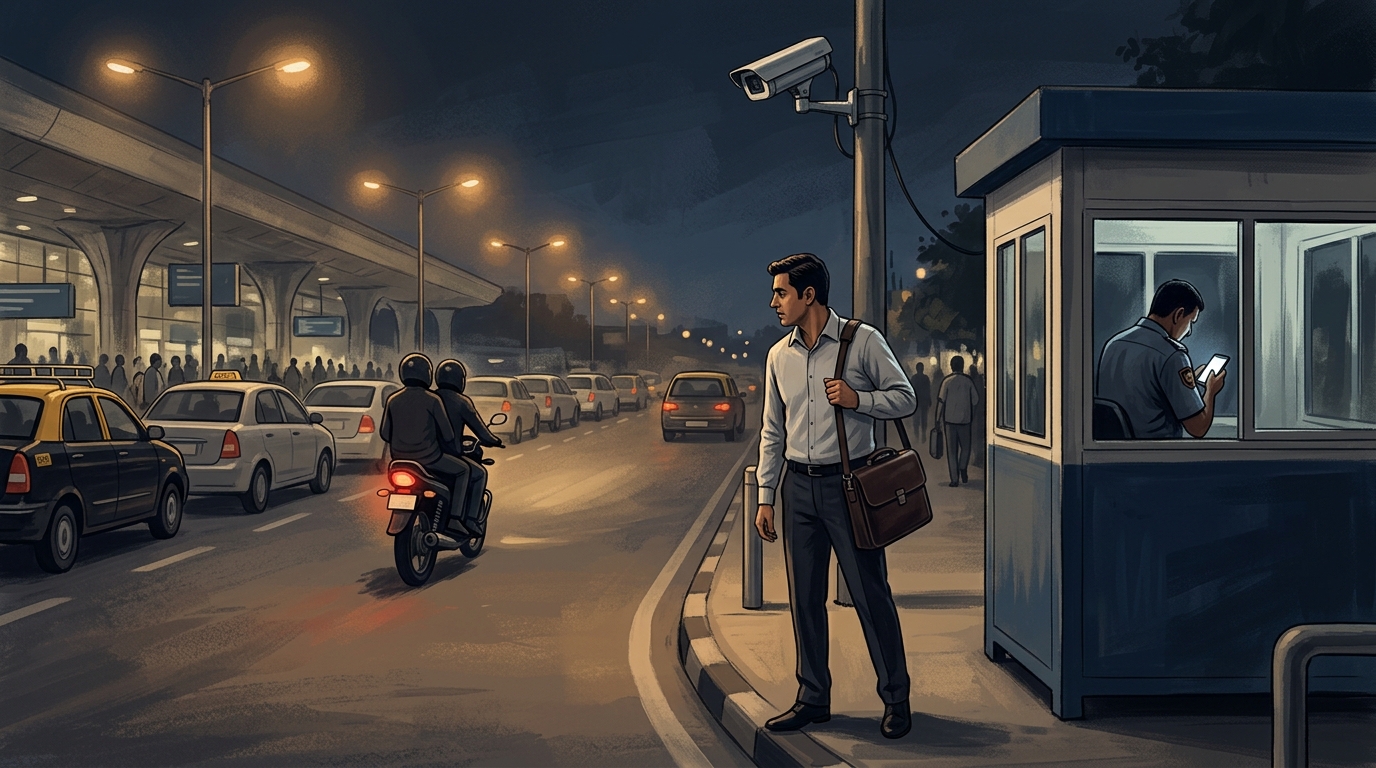
Separately, a targeted shooting outside a salon in Solan, Mohali — where two unidentified gunmen on a motorcycle fired multiple rounds before fleeing — has added to a pattern of organised crime incidents that have troubled Punjab and the broader North Indian business belt. While Hyderabad may seem geographically removed, incidents like these matter to the national investment climate in concrete ways.
Investors, particularly those evaluating expansion into Tier-2 and Tier-3 markets, factor in security perceptions. Startup ecosystems in cities beyond the major metros depend on a sense of institutional safety and rule of law. When high-visibility crime incidents go unresolved or appear to reflect deeper gang-linked networks, they send a chilling signal — not just to local businesses, but to the pan-India entrepreneurial community assessing where to plant roots and capital.
Law enforcement capacity, witness protection, and criminal justice reform are public goods. Their deterioration is not a politically neutral event; it disproportionately harms small business owners, daily wage workers, and communities with less private security access — while larger corporates and well-resourced interests insulate themselves.
What This Means for You
- IT and logistics professionals: Monitor potential supply chain disruptions from the UP floods, particularly if your organisation sources hardware components, printed materials, or relies on road freight through the Gangetic plain. Build contingency timelines into Q3 project planning.
- Startup founders and investors: The Mohali shooting is a data point in a broader pattern worth tracking if you are evaluating operations or talent hiring in North Indian cities. Due diligence on local business environments should include security and institutional quality metrics, not just real estate costs.
- Policy-aware professionals: The UP floods are an opportunity to engage with conversations around climate resilience infrastructure. Advocacy bodies like NASSCOM and CII have a role to play in pushing for smarter public investment — not just in digital infrastructure, but in the physical systems that keep India's economy running when monsoons arrive.
- All professionals: Both stories are reminders that India's economic ambitions are inseparable from the quality of its public institutions. A workforce that is flood-displaced, insecure, or under-served by the state is not a workforce that can power a knowledge economy. These are not peripheral concerns — they are foundational ones.