Three major developments this week — a dramatic escalation in the US-Canada trade war, a covert diplomatic mission by the CIA chief to Moscow, and Donald Trump's claim that Iran has cleared mines from the Strait of Hormuz — paint a picture of a global order under significant stress. For Hyderabad's technology professionals, startup founders, and corporate decision-makers, these are not distant geopolitical abstractions. They carry direct implications for project pipelines, client budgets, energy costs, and the broader macroeconomic environment in which Indian IT operates.
US-Canada Trade War Deepens: A Warning for Global Services
Canada has announced retaliatory tariffs of up to 50% on a wide range of American goods — from steel and furniture to fresh tuna and cosmetics — in what Ottawa is framing as a 'dollar-for-dollar' response to US trade aggression. This escalation marks a significant deterioration in relations between two of the world's largest trading partners, and the ripple effects extend well beyond North American borders.
For India's IT sector, which derives a substantial portion of its revenues from North American clients, a prolonged trade conflict between the US and Canada creates compounding uncertainty. Many large enterprises — financial institutions, retailers, and manufacturers — that outsource technology work to Indian firms operate supply chains that span both countries. When their input costs rise due to tariffs, discretionary IT and digital transformation budgets are often among the first to be trimmed.
There is also a currency dimension. Trade wars of this scale tend to strengthen the US dollar as investors seek safe-haven assets, which can compress the rupee-dollar margin for Indian IT exporters on paper while simultaneously making client-side cost-cutting more likely. The net effect for mid-sized IT services firms in particular can be a painful squeeze from both ends.
It is worth noting that trade protectionism of this variety — whatever its short-term political appeal — historically harms working people on both sides of a border. The workers in Canadian steel towns and American furniture factories are not the architects of these policies, yet they absorb their consequences most directly. The same logic applies to the tens of thousands of Hyderabad-based tech workers whose livelihoods are indirectly tethered to the health of North American corporate spending.
CIA Director's Secret Moscow Visit: What Quiet Diplomacy Signals
Flight tracking data has confirmed that a US military aircraft travelled from the United States to Russia via Latvia this week, coinciding with reports that CIA Director William Burns made an unannounced visit to Moscow for talks with Russian counterparts. The nature and outcomes of these discussions have not been officially disclosed.
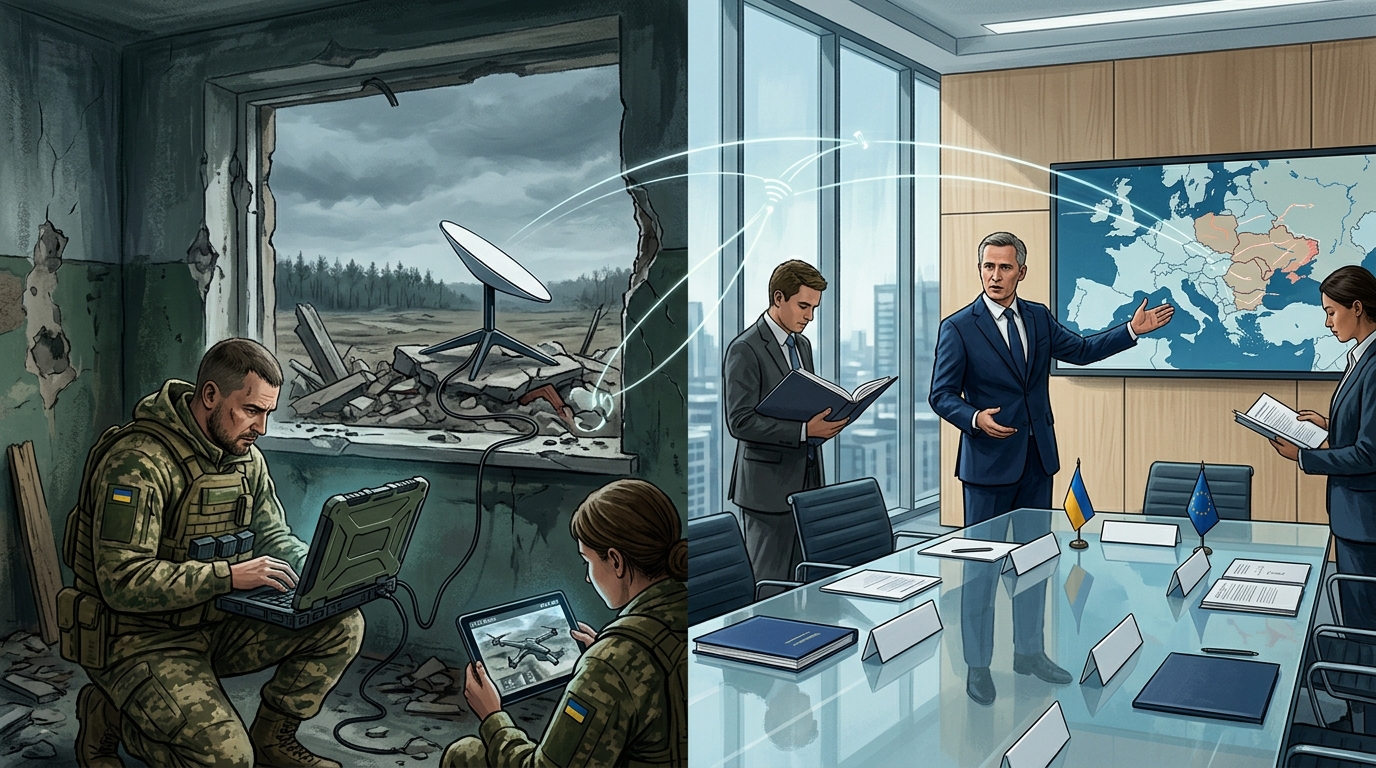
Secret diplomatic channels of this kind are not unusual in times of geopolitical tension — they often serve as pressure-release valves, allowing adversaries to communicate without the constraints of public posturing. However, the very fact that such a visit is necessary speaks to how fragile and opaque the current state of US-Russia relations remains, more than three years into the war in Ukraine.
For global business and technology communities, sustained geopolitical uncertainty of this kind has measurable costs. European energy markets remain volatile. Multinational corporations continue to carry elevated geopolitical risk premiums in their planning. And cybersecurity — already a booming sector in Hyderabad's IT ecosystem — remains on heightened alert, as state-sponsored cyber activity from both Russian and Western actors continues to intensify globally.
Strait of Hormuz Reopens: Oil Markets Breathe, But Cautiously
Perhaps the most market-sensitive development of the week is Donald Trump's announcement that all mines have been cleared from the Strait of Hormuz, following what he described as Iran's closure of the vital waterway since the onset of the recent US-Iran conflict. The Strait of Hormuz is one of the world's most critical chokepoints, through which approximately 20% of global oil supply passes daily.
Iran's blockade — and the wild fluctuations in oil prices it produced — was a severe stress test for an already fragile global energy system. The reopening, if verified and sustained, should bring some relief to energy-importing economies including India, which depends heavily on West Asian crude. Lower or stabilised oil prices translate into reduced logistics and energy costs across Indian industry, easing inflationary pressures that have weighed on consumer spending and corporate margins alike.
However, scepticism is warranted. The geopolitical conditions that produced the blockade have not been fundamentally resolved. A diplomatic or military flashpoint in the Gulf could re-close the strait with very little warning, and energy markets are pricing in this ongoing uncertainty. For Indian businesses, the lesson is the structural vulnerability of depending on a single corridor for energy imports — a conversation about diversification that policymakers have had for years without sufficient urgency.
The Tragic Loss of Dolly Parton
Beyond the geopolitical and economic turbulence, the world this week mourned the passing of Dolly Parton at the age of 80. The iconic country singer and philanthropist — whose Imagination Library has donated over 200 million books to children globally — represented a form of cultural generosity that transcended genre and geography. Her death is a reminder that behind the noise of markets and diplomacy, culture and human connection remain the bedrock of what communities are built upon.
What This Means for You
- IT Services Professionals: Monitor client communications from North American accounts closely. Trade war-driven budget freezes or project delays are a realistic near-term risk, particularly in retail, manufacturing, and logistics verticals.
- Startup Founders Seeking US Investment: A more protectionist and economically uncertain US market may slow venture capital deployment into cross-border ventures. Build contingency scenarios into your fundraising timelines.
- Finance and Treasury Teams: The US-Canada trade war and Gulf tensions create a volatile currency and commodity environment. Ensure adequate hedging strategies are in place for dollar-denominated revenues and import-linked costs.
- Cybersecurity Professionals: The CIA-Moscow diplomatic back-channel suggests ongoing state-level tensions that historically correlate with increased cyber threat activity. This is a growth moment for the sector, but also a moment for heightened vigilance within your own organisations.
- All Professionals: The Strait of Hormuz situation bears watching. Any re-escalation could spike fuel and logistics costs rapidly, affecting everything from data centre energy bills to domestic commute costs.