Two developments from this week's global headlines demand the attention of Hyderabad's business and technology community — not because they are distant abstractions, but because they sit at the precise intersection of digital platform accountability and climate vulnerability that will define the next decade of doing business in a connected world.
Meta's $18 Billion Wake-Up Call for Big Tech
A California federal court has greenlit a landmark settlement in which Meta will pay up to $18 billion to resolve claims brought by multiple US states alleging that its platforms — Facebook, Instagram, and WhatsApp — caused measurable harm to children and adolescents. This is not a fine buried in a quarterly earnings report. It is the largest privacy and safety-related settlement in the social media industry's history, and it sets a precedent that will reverberate through every boardroom and product team that builds on, integrates with, or competes against Meta's ecosystem.
For Hyderabad's substantial IT services and product development sector, the implications are concrete and immediate. Thousands of engineers, product managers, and UX designers here work directly on platforms, applications, and integrations that touch Meta's APIs or operate within regulatory environments now being reshaped by this verdict. The settlement signals that regulators — particularly in the United States and the European Union — are no longer willing to accept self-regulation by platforms when public harm, especially to minors, is demonstrable.
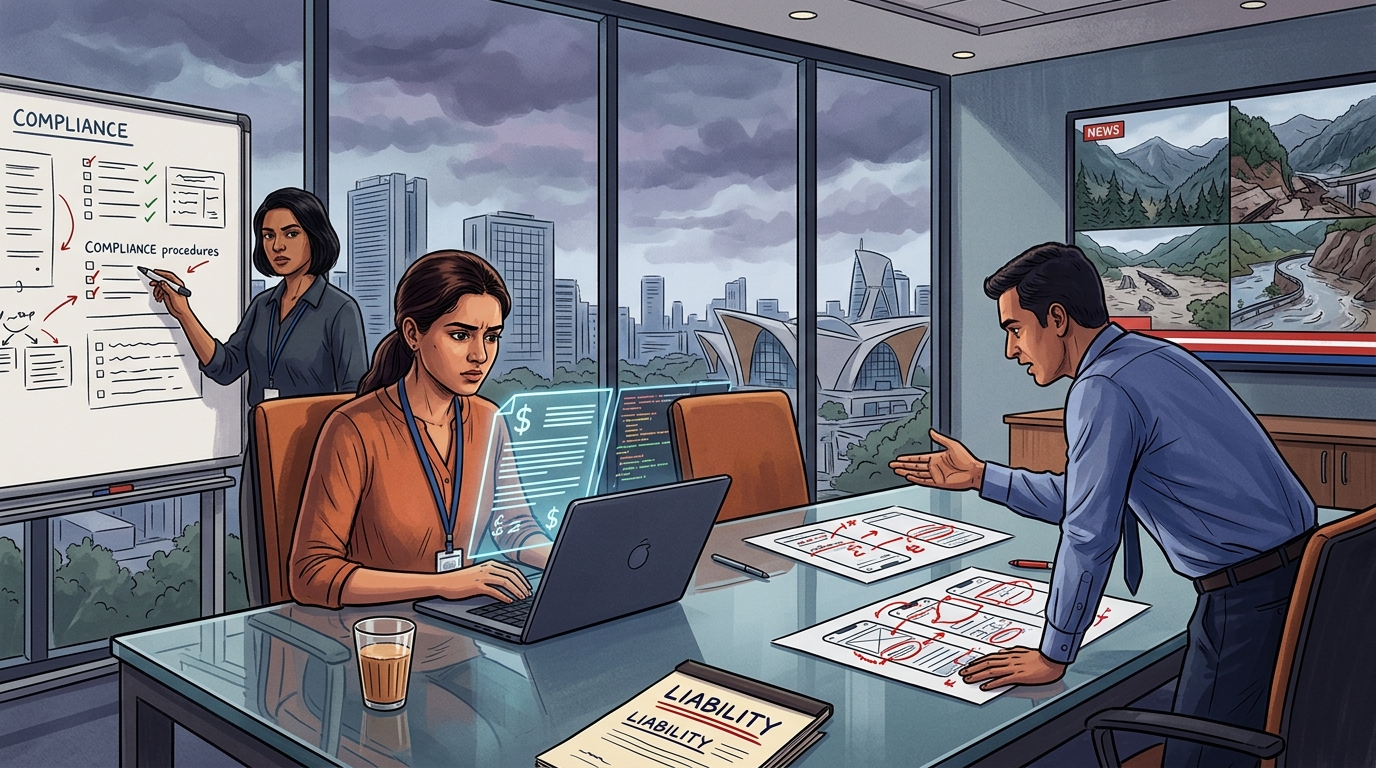
Startups building consumer-facing products, edtech platforms, or social tools should treat this moment as a regulatory stress test. Features designed to maximise engagement at the cost of user wellbeing are no longer legally insulated by platform scale. Legal and compliance budgets that tech companies have historically underfunded will need reconsideration. And for the broader ecosystem — venture investors, accelerators, and founders — building with ethical design principles is increasingly not a values choice but a fiduciary one.
There is also a larger philosophical reckoning here. Big Tech's argument that it cannot be held responsible for downstream harms on its platforms has taken a serious blow. Monopolistic platform behaviour — where network effects lock in users, including children, without meaningful alternatives — is now attracting the kind of financial consequence that actually changes corporate calculus. That is, on balance, a healthy development for a more equitable and accountable digital economy.
Nepal-Tibet Floods: A Climate Signal That Businesses Cannot Ignore
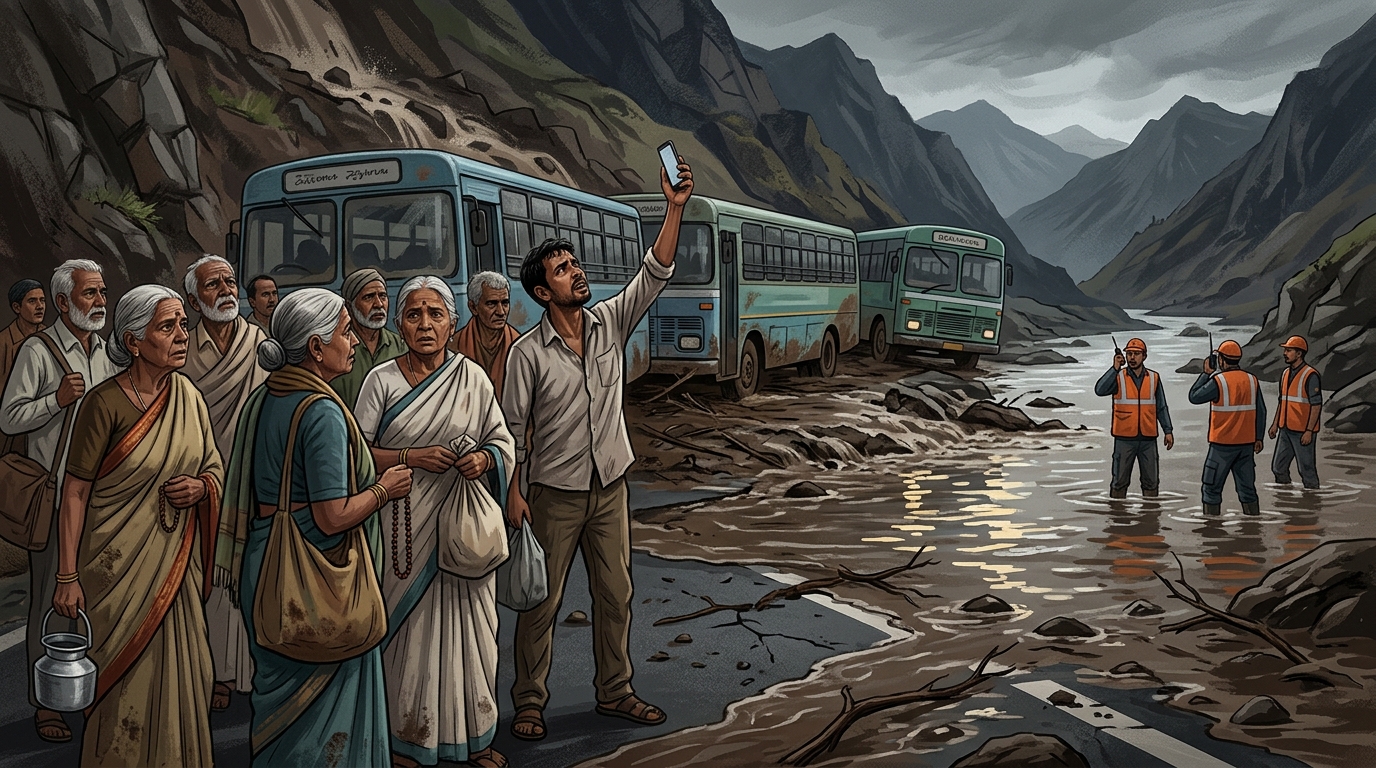
More than 150 people have been killed and hundreds remain missing following catastrophic flash floods along the Nepal-Tibet border, triggered by glacial lake outburst flooding — a phenomenon that climate scientists have long warned will intensify as Himalayan glaciers recede under rising global temperatures. Hospitals in Kathmandu are overwhelmed, and the scale of displacement and infrastructure damage is still being assessed.
This tragedy is first and foremost a human one. But for business professionals who engage with global supply chains, infrastructure investment, or South and Southeast Asian markets, it is also a signal that climate risk is not a future variable — it is a present-tense operational reality. The Himalayan ecosystem is a water tower for over a billion people across South Asia. Disruptions of this scale affect agriculture, energy generation, transport corridors, and regional economic stability in ways that ripple outward.
For Hyderabad's growing cohort of ESG-focused investors, climate tech entrepreneurs, and sustainability consultants, events like these underscore both the urgency of their work and the growing institutional appetite — from global funds to multilateral development banks — for solutions that address climate adaptation in vulnerable geographies.
What This Means for You
- Product and Engineering Teams: Audit your platform's engagement mechanics and data practices through the lens of the Meta settlement. Regulatory scrutiny of digital harm is intensifying globally, and products with Indian user bases will not remain insulated from these standards indefinitely.
- Founders and Startups: Ethical design and transparent data practices are becoming competitive advantages, not just compliance checkboxes. Investors increasingly factor regulatory risk into valuations.
- Investors and VCs: The Meta settlement raises the liability floor for consumer tech. Portfolio companies with weak privacy frameworks or aggressive engagement-driven design carry measurable legal and reputational risk.
- Climate Tech and ESG Professionals: The Nepal floods reinforce the investment case for climate adaptation infrastructure across South Asia. Himalayan glacial risk is a systemic, cross-border concern that deserves a place in your risk modelling and opportunity mapping.
- IT Services Leaders: Global clients will increasingly demand that vendors and partners demonstrate responsible data handling and platform safety compliance. Build this into your service delivery frameworks now, not after a breach or lawsuit.
The week's headlines, taken together, tell a coherent story: the costs of externalising harm — whether onto children on social platforms or onto communities living in climate-vulnerable landscapes — are being internalised, slowly but meaningfully, by markets and regulators alike. For professionals building the next generation of technology and business in Hyderabad, that is not a threat. It is an invitation to build better.