This week delivered a sharp reminder that geopolitical fault lines — when they shift — send tremors through every economy plugged into the global system. For Hyderabad's business and technology community, three developments deserve careful attention: tentative diplomatic movement on the Russia-Ukraine war, an alarming US-Iran naval confrontation in international waters, and civil unrest disrupting one of Europe's most critical transport hubs.
Ukraine Talks: Cautious Hope, Fragile Ground
US envoys Steve Witkoff and Jared Kushner travelled to Moscow this week for direct talks with Vladimir Putin — the most significant face-to-face diplomatic contact between Washington and the Kremlin since the war began. Putin's own characterisation of the situation as 'not so easy' is hardly reassuring, but the optics of the meeting matter. Markets read diplomatic engagement, however tentative, as a signal that the worst escalation scenarios may be receding.
For India's IT sector, which earns the overwhelming majority of its revenue in US dollars and euros, a stabilised European security environment would ease inflationary pressures on energy and logistics — costs that ultimately affect client budgets in the EU and indirectly compress outsourcing spend. A prolonged war, by contrast, keeps European economies under stress, which dampens technology investment and delays digital transformation projects that Hyderabad's services firms depend on.
US-Iran Clashes: Oil Price Risk Returns
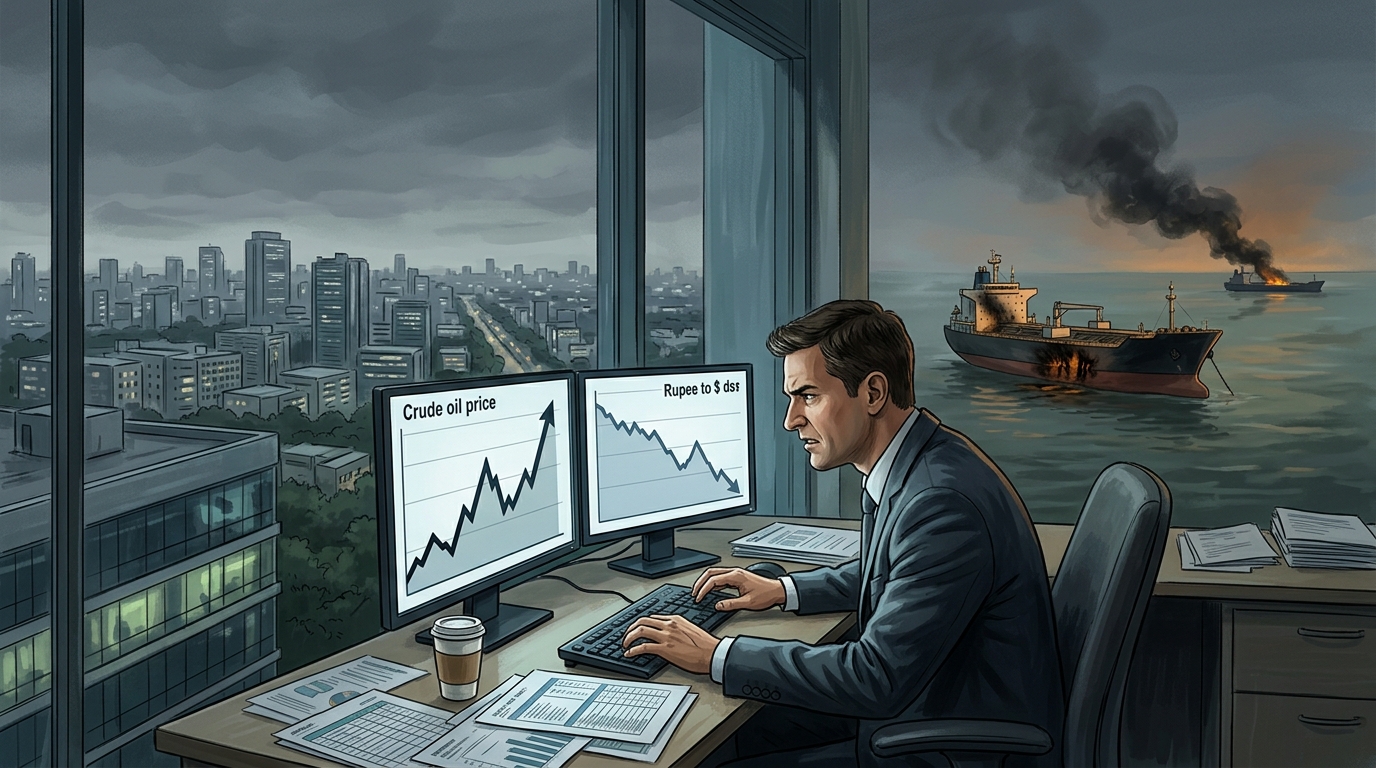
The more immediately alarming development is the exchange of retaliatory ship strikes between US and Iranian forces. Washington says it struck three Iranian oil tankers; Tehran claims it targeted three US-linked vessels. This is not rhetorical posturing — this is kinetic conflict in waters through which a significant portion of the world's crude oil flows.
The Strait of Hormuz remains the planet's most critical energy chokepoint. Any sustained military confrontation in the Gulf raises the spectre of an oil price spike that would ripple outward rapidly. For India — which imports roughly 85% of its crude oil needs — a sustained price surge would weaken the rupee, increase import bills, and trigger inflationary pressure across the economy. A weaker rupee is a double-edged sword for IT exporters: it can boost rupee-denominated revenues in the short term, but it also raises operational costs and erodes real wages for tech workers whose salaries don't automatically adjust to inflation.
Startup founders raising capital in dollars or seeking foreign investment should note that oil-driven inflation tends to prompt the US Federal Reserve toward tighter monetary policy — which raises the cost of capital globally and makes venture funding more conservative. This is not the environment for easy Series A rounds.
Dover Disruption: A Warning About Fragile Logistics
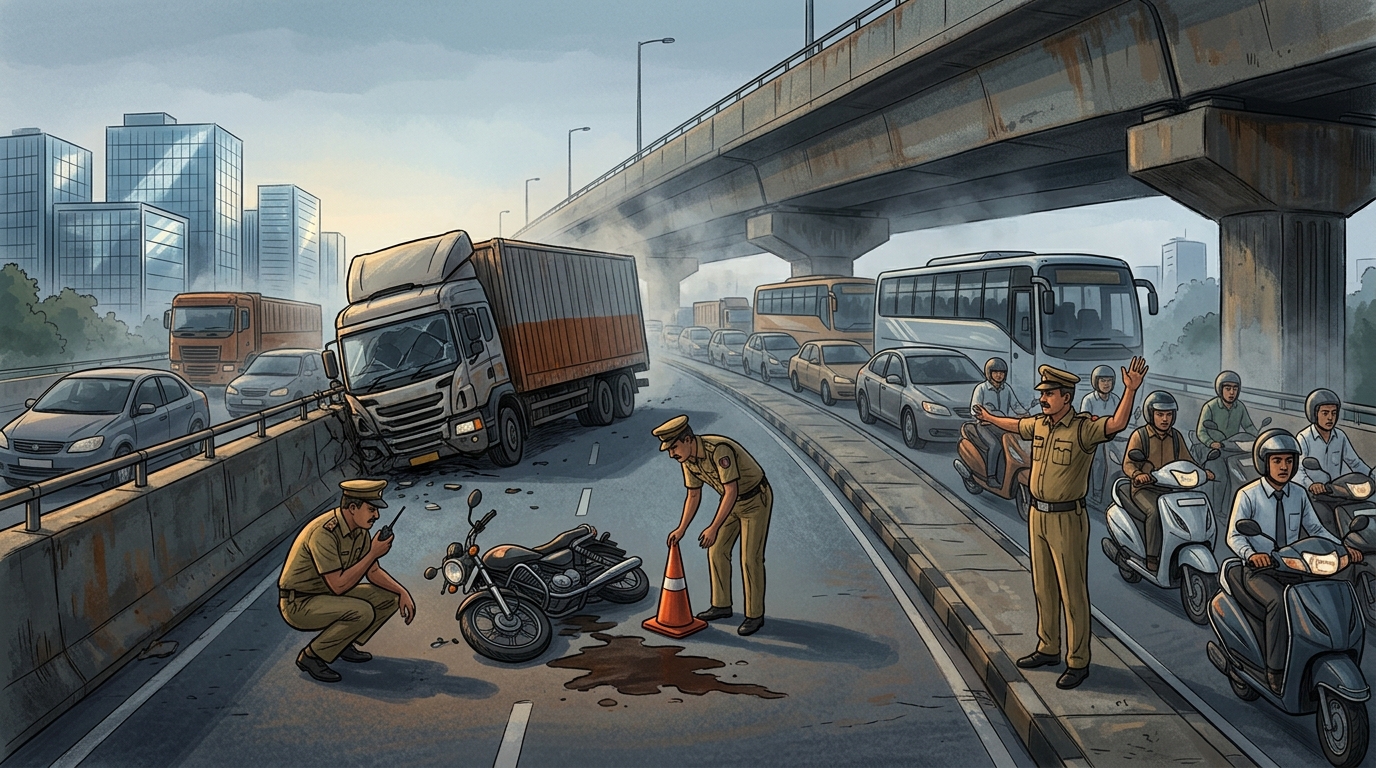
Masked protesters affiliated with 'stop the boats' nativist movements blocked roads at the Port of Dover for several hours this week, causing significant disruption to one of Europe's busiest freight and passenger corridors. Separately, a grass fire halted all train services to Heathrow Airport, compounding travel and cargo chaos in the UK.
Taken together, these incidents highlight how vulnerable global logistics infrastructure remains to both political unrest and climate-related events. Heathrow is a major hub for air freight connecting India to European and transatlantic markets. IT hardware, semiconductor components, and high-value shipments that pass through this corridor face real vulnerability. For business travellers and professionals attending client meetings or conferences in Europe, disruptions at Dover and Heathrow are a logistical headache with direct professional consequences.
The Dover protests also reflect a broader political climate in the UK — one where nativist politics are gaining street-level expression. For Indian tech professionals on UK work visas, or companies managing delivery teams across the UK, this political temperature is worth monitoring as immigration policy debates intensify ahead of potential legislative shifts.
What This Means for You
- IT Services Exporters: Watch oil prices and the rupee closely. A Gulf escalation could trigger rupee depreciation that looks good on paper but masks real inflationary pressure on your operating costs and talent retention.
- Startup Founders: US-Iran tensions feed into Fed hawkishness. Global venture capital tends to tighten when macro risk spikes — plan your funding timelines conservatively for the next two quarters.
- Business Travellers: If your work involves Europe-facing travel, build buffer time into UK and EU itineraries. Heathrow and Dover disruptions are symptoms of a wider infrastructure fragility that isn't resolving quickly.
- Investors: Energy sector volatility and geopolitical risk premiums are both elevated. Diversified exposure and hedged positions make more sense than concentrated bets right now.
- All Professionals: The Ukraine diplomatic signal is worth watching — a negotiated settlement, even an imperfect one, would be structurally positive for European economic confidence and therefore for outsourcing demand from EU clients.