For Hyderabad's business and IT professionals — a community that depends on predictable institutions, rule of law, and a functioning public infrastructure — this week's national headlines offer a sobering read. Beneath the surface noise of political squabbles and crime reports lies a more consequential story: the slow erosion of trust in the institutions that underpin India's economic and civic life.
Law Schools Push Back: Why Judicial Independence Matters to the Tech Sector
The most consequential story this week — and the one most likely to be underreported in business circles — is the growing protest movement across India's premier law schools. After students and faculty at NALSAR University of Law in Hyderabad opposed an invitation to the Chief Justice of India, students and alumni of the National Law School of India University (NLSIU) in Bengaluru have now expressed "unconditional solidarity," also criticising the Bar Council of India chairman's conduct.
This is not merely an academic spat. India's IT industry, its startup ecosystem, and its investor community are all deeply dependent on a credible, independent judiciary. Contract enforcement, intellectual property protection, labour dispute resolution, and startup exits via courts — all of these hinge on the perception that India's judicial system operates free from political pressure. When law students — tomorrow's corporate lawyers, policy advisors, and legal counsels — publicly question the impartiality of the highest court, it sends a signal that professionals in every sector should take seriously.
The Bar Council of India's apparent role in politicising what should be an apolitical convocation invitation adds another layer of concern. Regulatory capture — where bodies meant to govern a profession begin to serve political rather than professional interests — is a threat not unique to the legal world. India's IT and startup community has seen analogous pressures in telecom regulation and data governance. The pattern is worth watching.
Crime Against a Senior Official's Family: The Systemic Question
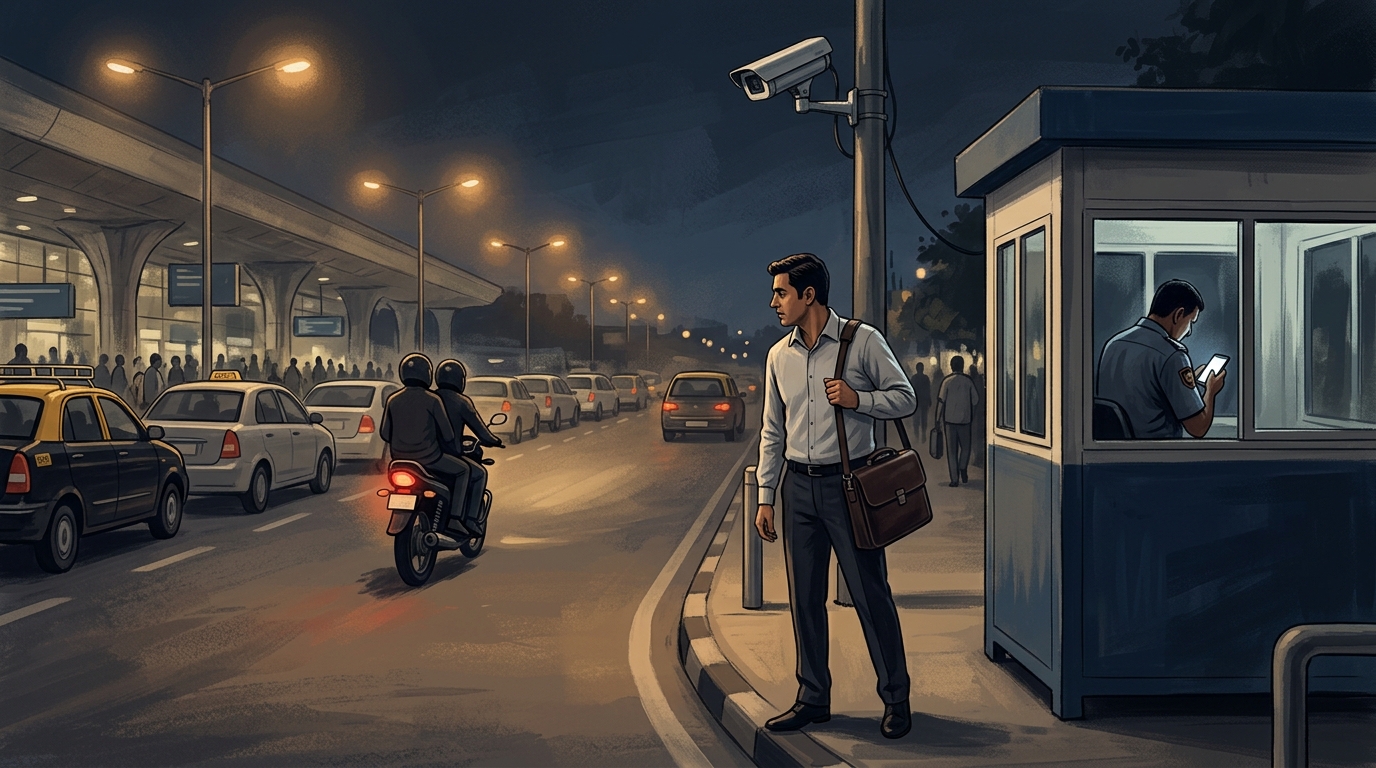
The murder of the mother of an IPS officer in Uttar Pradesh — an elderly woman living alone, whose jewellery was looted — is, on one level, a local crime story. But it carries a broader implication: if the family of a senior police official is not safe, what does that say about the state of public safety infrastructure for ordinary citizens?
For professionals who increasingly manage distributed teams, remote offices, and supply chains across Tier 2 and Tier 3 cities in states like UP, Bihar, and Jharkhand, law and order is a real operational variable — not an abstraction. Talent mobility, willingness of employees to relocate, and the viability of setting up development or back-office centres outside major metros are all affected by perceptions of public safety.
Political Dysfunction and the "One Family One Ticket" Row
The intensifying Congress internal conflict in Punjab over dynastic politics and ticket distribution may seem distant from Hyderabad's tech corridors. But the broader phenomenon it represents — political parties functioning as family enterprises rather than democratic institutions — has direct economic consequences. Policy continuity, rational subsidy design, and investment-friendly governance all suffer when political parties prioritise dynasty over competence. Professionals who engage with government procurement, public sector contracts, or policy advocacy would do well to track how this dysfunction plays out at the national level ahead of future electoral cycles.
What This Means for You
- Legal and compliance teams should monitor the NALSAR/NLSIU protests closely — any shift in judicial culture will affect how disputes are resolved and how long contract litigation takes.
- Startup founders and investors should factor institutional stability — including judicial independence and regulatory neutrality — into their India-market risk assessments.
- HR and operations heads expanding into non-metro India should conduct updated safety audits and policy reviews for employees in states with weaker law enforcement infrastructure.
- Policy-engaged professionals should pay attention to the dynastic politics debate — it is a leading indicator of governance quality in states that will host the next wave of IT investment.
India's economic potential remains enormous, and Hyderabad's professionals are well-placed to benefit from it. But that potential is best realised when institutions — courts, regulatory bodies, police, and political parties — function with integrity and accountability. This week's headlines are a reminder that those foundations require active, informed attention — not just from policymakers, but from the professional community that depends on them most.