Three stories from this week's global headlines — a geopolitical power grab in the Arctic, an assault on press access in Washington, and a catastrophic software failure in aviation — may seem disconnected at first glance. For Hyderabad's IT professionals, entrepreneurs, and business leaders, however, they share a common thread: the growing fragility of systems — political, institutional, and technological — that underpin the global economy.
The Greenland Deal: Arctic Ambitions and the New Resource Scramble
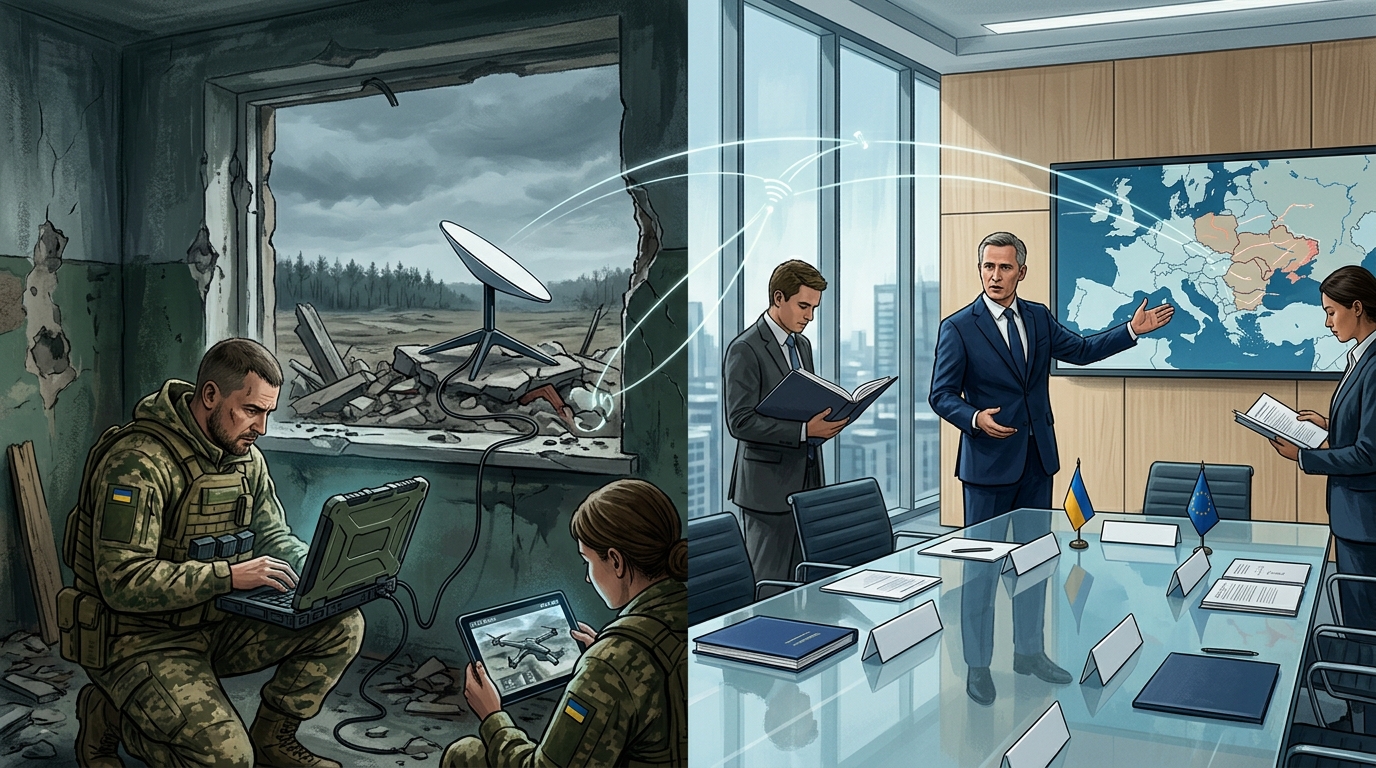
The United States and Denmark have reached a preliminary agreement granting Washington what President Donald Trump described as 'permanent control over security, and all other needs, in Greenland.' Danish officials have not confirmed the specifics, and the language of the deal remains deliberately vague — a detail that itself tells a story about how power is currently being exercised in global diplomacy.
Greenland sits atop some of the world's most significant rare earth mineral deposits, including lithium, cobalt, and neodymium — materials that are foundational to semiconductors, electric vehicle batteries, and defence electronics. Control over Greenland, even partial or indirect, would give the United States a significant strategic edge in the ongoing competition with China for critical mineral supply chains.
For India's technology sector — and Hyderabad's in particular — this matters. Indian semiconductor ambitions, EV manufacturing targets, and even the supply chains of IT hardware that power the city's data centres are intertwined with global rare earth availability. A US-dominated Arctic resource corridor could accelerate supply chain realignments, potentially forcing Indian firms to negotiate harder for material access or deepen partnerships with alternative suppliers.
Trump Bans CNN and Politico from the White House
President Trump has announced the exclusion of CNN and Politico from White House press access. This is not a trivial symbolic gesture. It represents a structural narrowing of the information environment around the world's most powerful executive office — with consequences that ripple far beyond American domestic politics.
For global businesses, including the thousands of Hyderabad-based IT firms with US clients, delivery centres, and regulatory exposure, reliable information from Washington is operationally critical. Trade policy shifts, visa regulation changes, data localisation debates, H-1B rule amendments — all of these emerge from or are shaped by the White House. When credible, adversarial journalism is systematically excluded from that space, the quality of publicly available information degrades.
There is also a chilling effect worth noting. If major democracies normalise the exclusion of critical press from official spaces, it weakens the broader architecture of accountability journalism globally — something that progressive professionals in India's tech ecosystem, many of whom depend on transparent regulatory environments, should be alert to.
A Millisecond Glitch That Cancelled 2,000 Flights
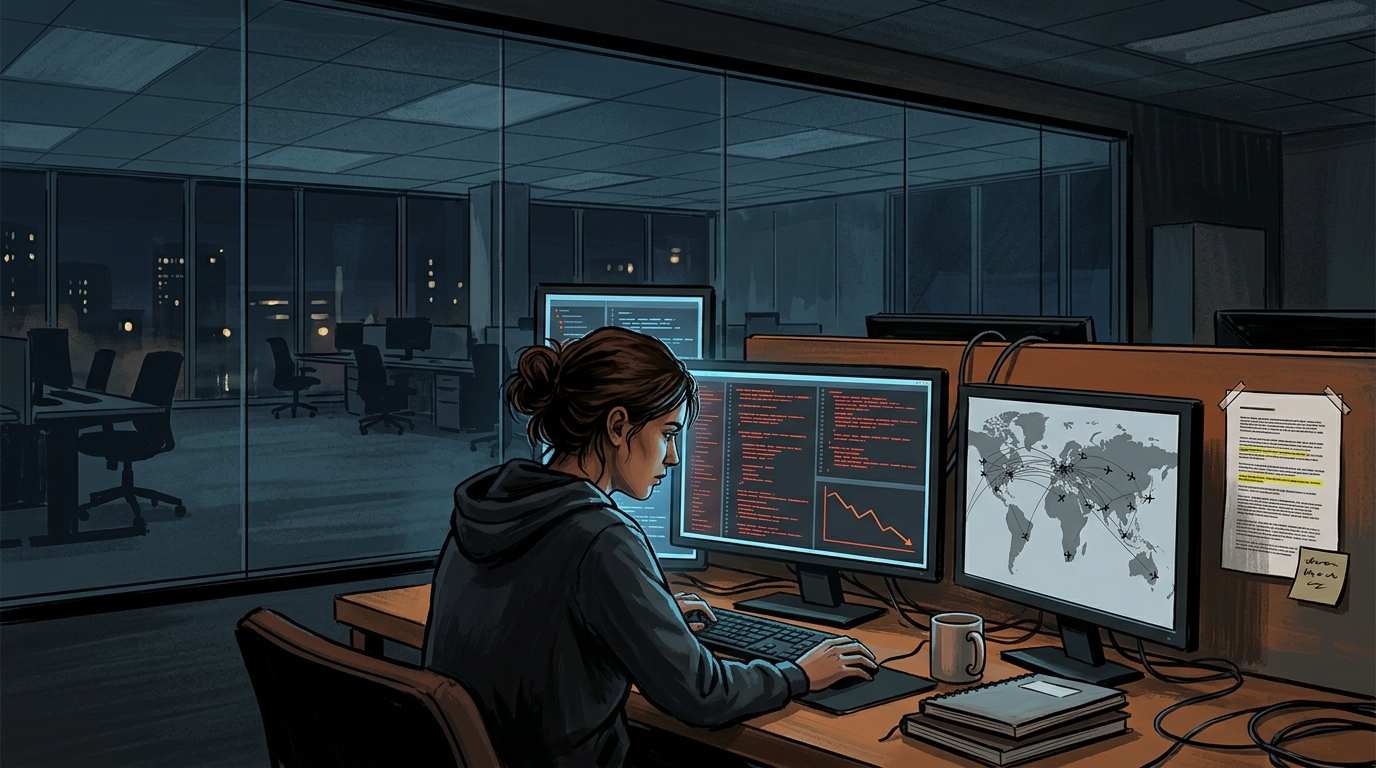
Perhaps the most technically resonant story this week for Hyderabad's developer and engineering community: a newly released report has confirmed that a software defect lasting the duration of a single millisecond caused the cancellation of over 2,000 flights and stranded hundreds of thousands of passengers. While the report does not name the specific system involved, the scale of disruption is a sobering reminder of how deeply embedded software has become in safety-critical infrastructure.
This incident invites serious reflection on software quality assurance, testing protocols, and the governance of systems that operate at the boundary of life and commerce. The aviation sector, like banking, healthcare, and energy, runs on software that cannot afford 'move fast and break things' philosophies. Yet the pressure on engineering teams — including many staffed by Indian technology professionals working for global aviation, logistics, and aerospace clients — to ship faster and cheaper remains relentless.
The incident is also a quiet indictment of the cost-cutting impulses that have led large enterprises to compress QA cycles, reduce testing headcount, and rely on automated checks that may not catch edge-case failures at sub-millisecond resolution.
What This Means for You
- If you work in semiconductor, hardware, or EV tech supply chains: Monitor the Greenland agreement closely. Rare earth supply dynamics are shifting, and firms with US partnerships may see preferential access while others face new friction.
- If your firm has US clients or regulatory exposure: The narrowing of credible White House press access means you may need to diversify your intelligence sources — think tanks, regulatory trackers, and legal advisory services become more valuable in low-transparency environments.
- If you are a software engineer, QA professional, or tech lead: The aviation glitch is a case study worth sharing with your teams. Advocate internally for adequate QA resourcing. In safety-critical or high-availability systems, a millisecond of bad code is not a technical footnote — it is a human and financial catastrophe.
- Broadly: This week's headlines collectively point to a world where institutional guardrails — diplomatic, journalistic, and technical — are under stress. Professionals who build resilience into their workflows, stay informed through diverse sources, and push back against shortcuts will be better positioned to navigate what comes next.