Three significant developments from the global stage this week demand attention from professionals in Hyderabad's technology and business ecosystem: the Trump administration's dismissal of AI safety warnings, a brazen Russian strike on Ukrainian infrastructure that nearly hit senior European leaders, and a quiet but telling debate in the UK about what governments owe to risk-takers and workers alike. Taken together, these stories sketch a world of accelerating technological competition, fragile geopolitical stability, and unresolved tensions between growth and equity.
Trump Downplays AI Risks — And What That Signals for the Industry
US President Donald Trump this week publicly dismissed warnings about artificial intelligence risks, framing safety concerns as obstruction dressed up as caution. Speaking in the context of intensifying rivalry with China, Trump suggested that those raising alarms about AI were giving ground to adversaries. "Negative forces," he said, were airing concerns about "things that won't happen."
For Hyderabad's IT sector — which has deep contractual and technological dependencies on US-based AI platforms, cloud services, and enterprise software — this posture carries real consequences. A regulatory environment in Washington that deprioritises AI governance means that American tech giants will likely accelerate deployment of large language models and autonomous systems with fewer guardrails. Indian IT services firms, already under pressure to demonstrate AI-augmented value to clients, may face compressed timelines and heightened expectations.
But there is a harder question here. Safety frameworks — around bias, data privacy, and accountability — protect not just consumers but the workers who build and maintain these systems. A race-to-the-bottom on AI regulation, driven by geopolitical anxiety rather than considered policy, risks normalising unsafe practices across the global supply chain, including in India's sprawling IT outsourcing sector.
Russia Strikes Near European Leaders in Ukraine — Markets and Supply Chains on Edge
A Russian missile strike hit a Ukrainian train shortly after former UK Prime Minister Boris Johnson and several senior European officials had departed the station — a moment that underscored how volatile and deliberately provocative the conflict remains. Johnson, visibly shaken, called the timing a reflection of "warped logic" from the Kremlin.
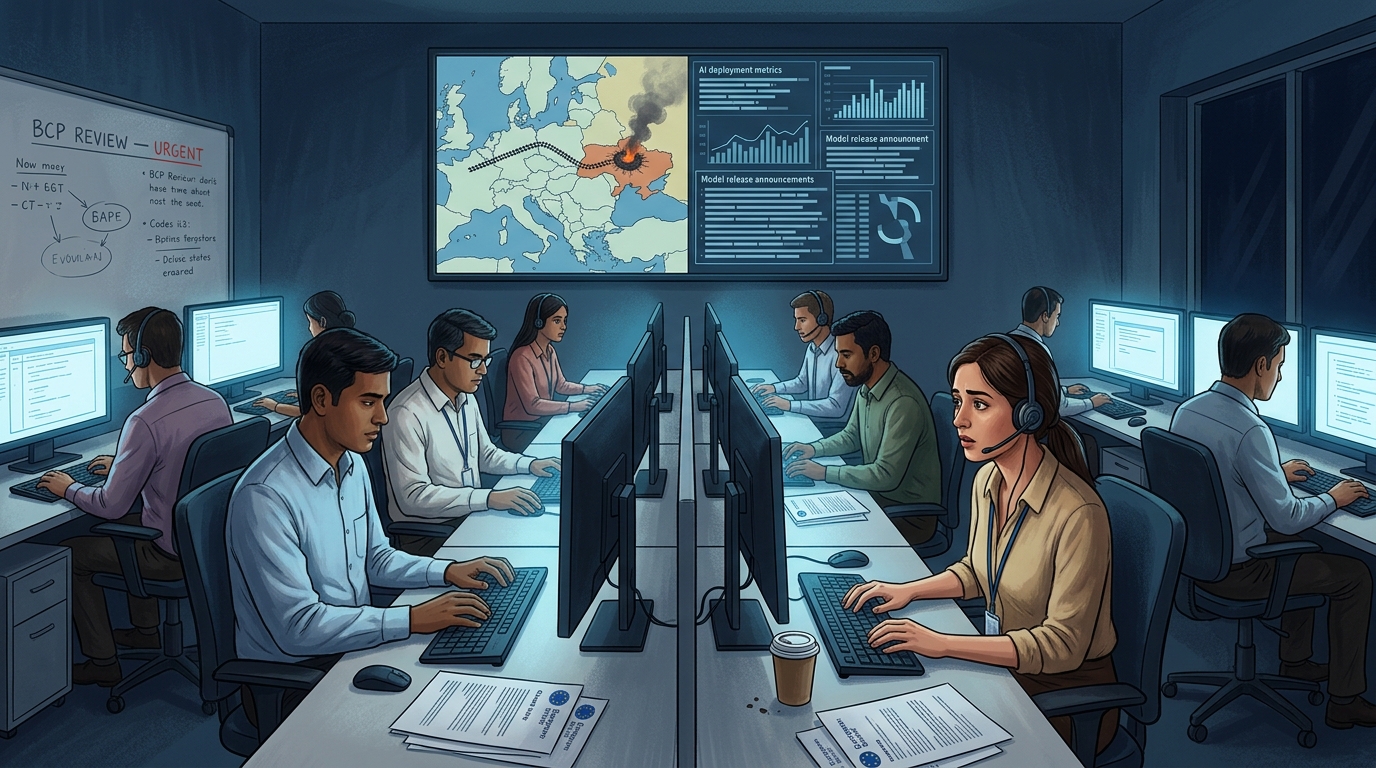
Beyond the immediate human toll, this incident is a signal to global markets. European energy supply chains, commodity prices, and investor confidence in the region remain tethered to the war's trajectory. For Hyderabad-based professionals working in global delivery centres for European clients — particularly in manufacturing, logistics, and financial services — continued instability in Eastern Europe translates into client uncertainty, budget conservatism, and possible project delays.
There is also a broader geopolitical lesson: the weaponisation of civilian infrastructure, from power grids to railways, is becoming a defining feature of modern conflict. IT firms providing critical infrastructure support to European entities should be reviewing their risk frameworks and business continuity plans accordingly.
The UK's Business Culture Debate: Growth, Risk, and Who Gets Backed
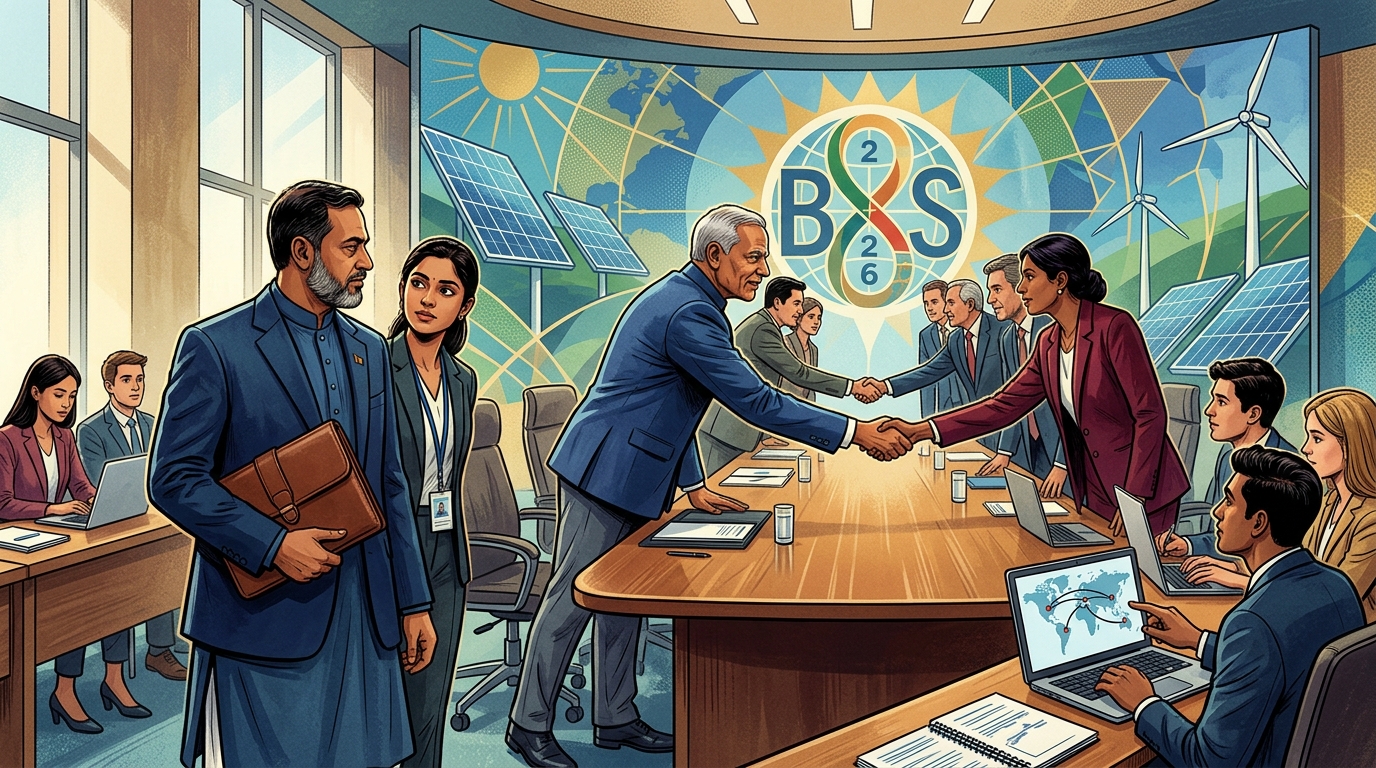
UK Prime Minister Andy Burnham's call for a "culture shift" in how Britain does business — urging government support for risk-takers — has been met with scepticism given his own administration's moves to increase business costs. The tension here is familiar: governments want entrepreneurial dynamism but are reluctant to absorb the redistributive costs that a genuinely supportive ecosystem requires.
For Hyderabad's startup founders and entrepreneurs eyeing UK expansion or partnerships, this policy ambiguity matters. The UK remains a significant destination for Indian tech talent and a key market for SaaS and IT services exports. A government that speaks the language of innovation but delivers regulatory friction creates a difficult operating environment.
More broadly, this debate reflects a global challenge: how do you build economies that reward innovation without abandoning workers and public services? The answer, increasingly, is that you cannot have sustainable growth without both.
What This Means for You
- AI Practitioners and Product Teams: With the US stepping back from AI governance, document your own ethical frameworks proactively. Clients in Europe and regulated industries will increasingly ask for this.
- IT Services Professionals: Geopolitical volatility in Europe is a client risk variable. Build scenario planning into your delivery conversations, especially for clients in logistics, energy, and financial services.
- Startup Founders: The UK market remains attractive but navigate its policy environment carefully. Look beyond government signals to actual regulatory outcomes before committing significant expansion resources.
- Investors and Business Leaders: The global mood on AI is moving fast and in contradictory directions. Jurisdictions with clearer AI governance frameworks — the EU, for instance — may ultimately offer more stable long-term operating environments than markets chasing speed over safety.