A week of geopolitical turbulence — marked by a deadly drone strike on a civilian beach, stalled nuclear diplomacy, and a sharp transatlantic row over migration — underscores how quickly global stability can fray. For Hyderabad's IT professionals, startup founders, and business leaders, these are not distant abstractions. They are the upstream currents that shape client spending, energy prices, hiring sentiment, and the regulatory environment in which global contracts are negotiated.
Ukraine War Escalates Into Civilian Territory
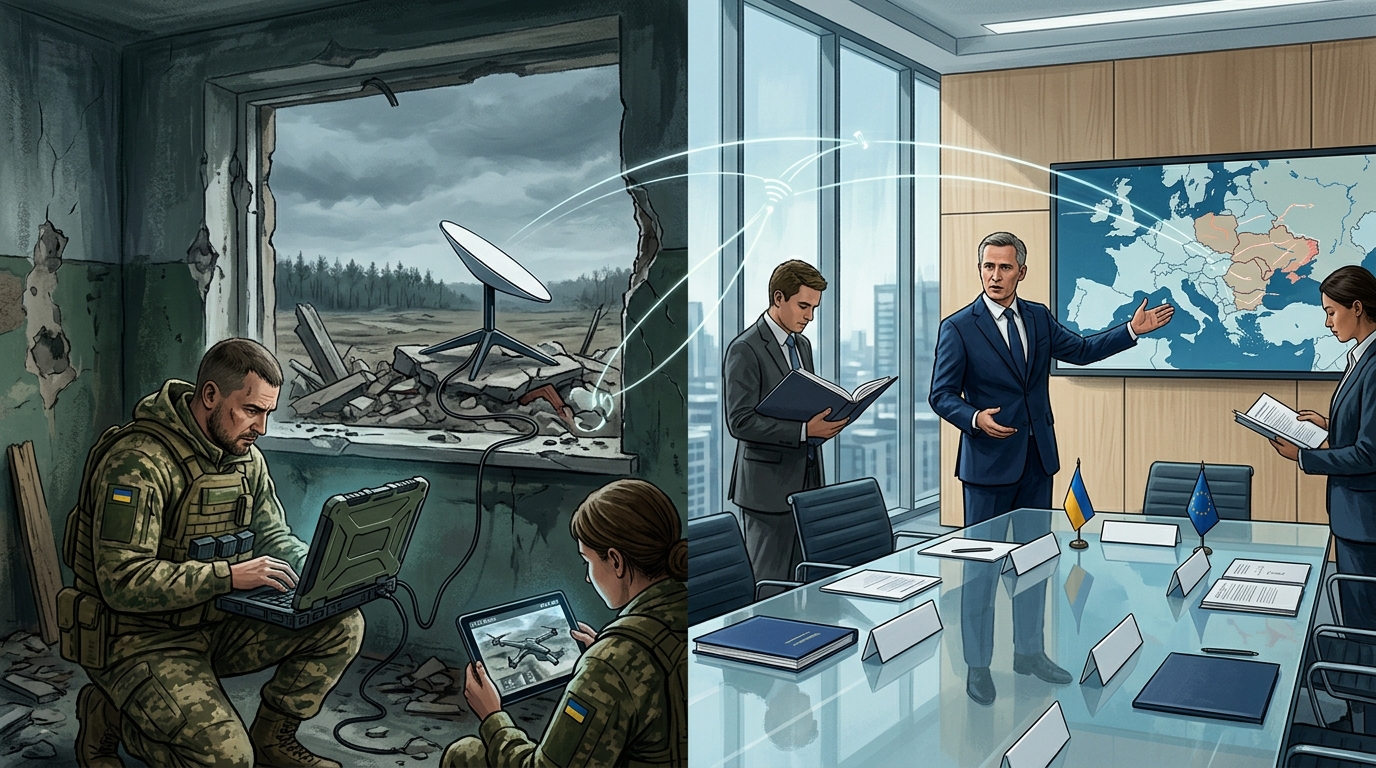
A Ukrainian drone strike on a crowded Black Sea resort beach in Russia killed seven people, including three children, and injured forty others. Russia has confirmed the attack, calling it a deliberate targeting of civilians — a characterisation Ukraine has not publicly addressed. Regardless of attribution and intent, the incident marks a significant escalatory moment: the conflict is no longer confined to frontline military zones but is visibly reaching leisure and civilian infrastructure.
For Hyderabad's technology sector, the implications are concrete. European clients — particularly those in Germany, the Netherlands, and the Nordic countries — operate under significant economic strain from prolonged war-related energy costs and defence budget reallocations. When European governments increase defence spending, discretionary IT outsourcing budgets face pressure. Several large GCCs (Global Capability Centres) operating out of Hyderabad service European parent companies. Any tightening of European corporate spending filters directly into project pipelines, headcount decisions, and contract renewals here.
Iran-US Diplomacy: A Dangerous Game of Words
The week also produced a confusing and concerning diplomatic episode involving Iran and the United States. President Donald Trump publicly declared that negotiations with Iran over its nuclear programme were set to resume. Tehran flatly contradicted this, stating it was in talks with Oman — a traditional back-channel broker — but emphatically not with Washington directly. Trump's sharp public condemnation of Iran's leadership followed swiftly.
This kind of public discord between two adversaries over the very existence of a diplomatic process is a warning sign that the talks, whatever their format, are fragile. A breakdown in Iran-US negotiations raises the spectre of renewed sanctions escalation, potential military posturing in the Strait of Hormuz, and, most critically for global markets, an oil price shock.
Crude oil price volatility directly affects India's macro-economy — inflation, the rupee's exchange rate, and the Reserve Bank of India's monetary policy stance. For Hyderabad's IT exporters, a weaker rupee can temporarily flatter dollar-denominated revenues, but sustained inflation raises operational costs: salaries, real estate, and infrastructure. Startups raising rupee-denominated rounds are particularly exposed to this squeeze.
FIFA Governance and the Quiet Lesson in Institutional Accountability
On a less immediately alarming but instructive note, the English Football Association is set to join Wales in withdrawing support for Gianni Infantino's bid to continue as FIFA president. The rebellion, framed around governance concerns, signals that even deeply entrenched institutional leaders are not immune to coordinated opposition when credibility erodes.
The parallel for the tech and business world is worth noting. Global bodies — whether sporting federations, trade organisations, or multilateral financial institutions — derive authority from member trust. When that trust fractures, the rule-setting environment becomes unpredictable. For Indian IT companies and startups that depend on stable international regulatory frameworks — from data protection standards to cross-border payment norms — institutional dysfunction at the global level is a systemic risk, not a footnote.
UK-France Migration Dispute: A Signal on Trade Tone
Britain's Reform UK party announced plans to use Royal Navy vessels to return migrants to France, overriding French objections. Paris has responded with sharp diplomatic language. While this is primarily a domestic UK political story, it reflects a broader hardening of European inter-governmental relations in a post-Brexit environment — one where bilateral goodwill continues to erode.
For Hyderabad-based IT firms with significant UK delivery operations or client bases, the political climate in Britain matters. A UK government — or influential political force — that is increasingly isolationist and confrontational with its nearest neighbours creates a less predictable business environment. Visa policy, data adequacy agreements, and trade frameworks all exist within the same political ecosystem that produces these migration disputes.
What This Means for You
- IT project managers and delivery leads: Monitor European client communication for signs of budget recalibration linked to defence spending increases. Proactive conversations about contract flexibility may be wise.
- Startup founders seeking international funding: Oil price risk and rupee volatility deserve a line in your financial modelling. Dollar-denominated costs — cloud infrastructure, SaaS tools, overseas travel — could rise if macro conditions deteriorate.
- Business development professionals targeting UK clients: The political environment in Britain is shifting in ways that make long-term regulatory predictability harder to assume. Build contingency into UK-dependent revenue projections.
- Investors and fund managers: Iran-US diplomatic failure is a leading indicator for energy market disruption. Portfolios with exposure to logistics, aviation, or energy-intensive manufacturing deserve a second look.
- Everyone: The escalation of the Ukraine conflict into civilian spaces is a reminder that this war has not plateaued. Its economic aftershocks — on European growth, global supply chains, and energy markets — remain live variables in any serious business forecast.
The world this week offered a reminder that geopolitical noise is not background static for business professionals — it is, increasingly, the signal itself.